Waking suddenly in the middle of the night with a racing heart, shortness of breath, sweating or an overwhelming sense of fear can be frightening. If you’ve ever wondered, “Why do I wake up with anxiety?”, you’re not alone.
A nocturnal panic attack is a sudden episode of intense fear or panic that wakes you from sleep. The symptoms can feel very physical and may include a pounding heart, trembling, sweating, chest discomfort, dizziness, nausea or the feeling that you can’t catch your breath.
Although panic attacks themselves aren’t usually dangerous, their symptoms can resemble other medical conditions. That’s why it’s important to understand the difference between nighttime panic, sleep disorders and other possible causes of sudden awakenings.
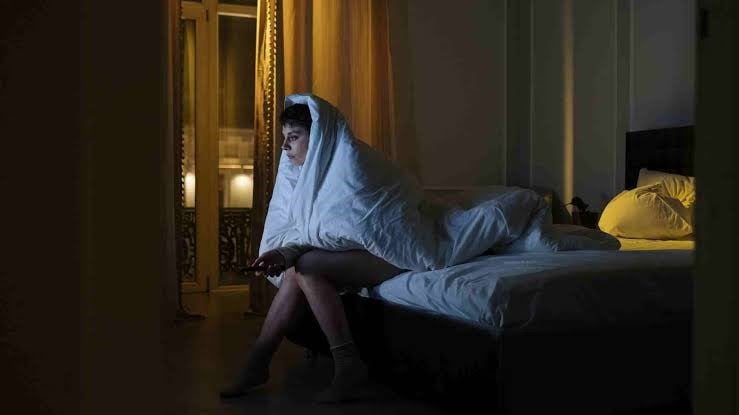
What Are Nocturnal Panic Attacks?
A nocturnal panic attack is a sudden episode of intense fear and physical symptoms that causes you to wake from sleep. Unlike a nightmare, you may wake without remembering a specific frightening dream.
People experiencing panic attacks at night may suddenly feel:
- Intense fear or dread
- A racing or pounding heartbeat
- Shortness of breath or a feeling of choking
- Chest tightness or discomfort
- Sweating
- Chills or hot flashes
- Trembling or shaking
- Tingling or numbness
- Nausea
- A feeling of unreality or detachment
Nocturnal panic attacks can be especially distressing because they happen without an obvious external trigger. The symptoms can feel so intense that some people fear they are having a heart attack or another medical emergency.
Symptoms typically peak relatively quickly and then begin to subside, although it may take considerably longer to feel calm enough to return to sleep.
Can You Have a Panic Attack While Sleeping?
Yes. You can have a panic attack in your sleep.
A nocturnal panic attack can wake you suddenly with many of the same physical and emotional symptoms that occur during a daytime panic attack. You may not have been consciously worrying about anything before falling asleep, which can make the experience particularly confusing.
Researchers don’t fully understand why some people experience panic attacks during sleep. Nocturnal panic is more common among people who experience panic attacks or panic disorder, and it can also occur alongside other anxiety conditions and sleep problems.
Importantly, waking with these symptoms doesn’t automatically mean you are having a panic attack. Other sleep and medical conditions can produce similar sensations.
Signs of a Panic Attack While Sleeping
Common signs of a panic attack while sleeping include:
- Suddenly waking with intense fear
- Rapid or pounding heartbeat
- Shortness of breath
- Feeling like you are choking or suffocating
- Chest discomfort
- Sweating
- Trembling or shaking
- Chills or hot flashes
- Tingling or numbness
- Dizziness or nausea
- A feeling of losing control
- A sense that something terrible is about to happen
Nocturnal panic attacks may involve particularly strong breathing-related sensations, including the feeling that you can’t catch your breath or are choking. Because these symptoms overlap with other conditions, recurrent nighttime episodes deserve attention rather than being automatically attributed to anxiety.
What Causes Panic Attacks at Night?
The exact panic attack causes aren’t completely understood.
Panic attacks involve the body’s fear and threat-response systems, but it isn’t always possible to identify one specific trigger. Stress and anxiety may contribute, and people with panic disorder or other anxiety disorders are more likely to experience nocturnal panic attacks. Sleep problems, including insomnia and sleep apnea, may also occur alongside nighttime panic.
Other factors may contribute to nighttime anxiety or make sleep more difficult, including:
- Ongoing stress
- Anxiety or panic disorder
- Irregular or insufficient sleep
- Caffeine and other stimulants
- Alcohol or substance use
- Certain medications
- Concerns about falling asleep or having another nighttime episode
Rather than assuming that one factor is responsible, it is often more useful to look for patterns and consider whether another sleep or medical condition could be contributing.
Why Do I Wake Up With Anxiety?
If you’re repeatedly asking, “Why do I wake up with anxiety?”, consider what happens both before and during the awakening.
For some people, nighttime anxiety is associated with ongoing stress or an anxiety disorder. Worry about having another episode can also create a cycle in which bedtime itself becomes a source of apprehension.
Sleep disruption can make this cycle worse. After a frightening nighttime episode, you may become hyperaware of normal sensations such as your heartbeat or breathing. That awareness can increase fear and make it harder to fall back asleep.
However, sudden nighttime awakenings aren’t always caused by anxiety. Breathing disorders, including obstructive sleep apnea (OSA), can cause repeated awakenings accompanied by gasping or choking. Other medical conditions can also produce symptoms that resemble panic.
Panic Attack vs. Nightmare vs. Night Terror
Nocturnal Panic Attack
With a nocturnal panic attack, you generally wake up and are aware of the intense fear and physical symptoms. You may remember the episode clearly afterward.
Nightmare
A nightmare is generally associated with a frightening or disturbing dream that you can often remember after waking.
Night Terror
A night terror is different from a panic attack. During a night terror, a person may appear frightened, sit up, scream or move around while remaining partly asleep. They may have little or no memory of the episode the next morning. Night terrors are more common in children but can occur in adults as well.
Understanding these differences can help you and your healthcare provider determine whether the problem is related to anxiety, a sleep disorder or something else.
Could Sleep Apnea Be Causing Your Nighttime Symptoms?
One of the most important conditions to consider when someone repeatedly wakes gasping or choking is obstructive sleep apnea.
OSA occurs when the upper airway becomes repeatedly blocked during sleep. These breathing disruptions can cause brief awakenings or arousals and may be accompanied by:
- Loud snoring
- Gasping or choking during sleep
- Repeated nighttime awakenings
- Morning headaches
- Dry mouth
- Excessive daytime sleepiness
- Difficulty concentrating
Sleep apnea and nocturnal panic can also occur in the same person, which can make the symptoms difficult to distinguish.
If someone regularly wakes up gasping, choking or struggling to breathe, it is worth discussing those symptoms with a healthcare professional rather than assuming they are caused by anxiety.
When Is a Home Sleep Apnea Test Appropriate?
A home sleep apnea test (HSAT) can be a convenient way to evaluate for obstructive sleep apnea in appropriate patients.
However, an HSAT isn’t a general test for nighttime anxiety or panic. The American Academy of Sleep Medicine recommends that the need for an HSAT be determined as part of a medical evaluation and that it be used for appropriate adults with signs and symptoms suggesting an increased risk of moderate-to-severe OSA.
If an HSAT is negative, inconclusive or technically inadequate but suspicion for sleep apnea remains, additional evaluation—including an in-lab sleep study—may be appropriate.
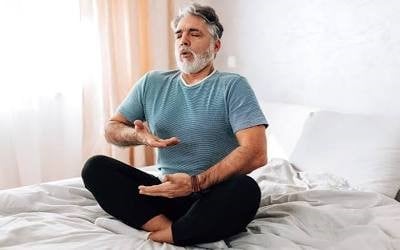
What to Do During a Nocturnal Panic Attack
If you wake up experiencing panic, your first goal is to remind yourself that the sensations will pass while paying attention to any symptoms that could indicate a medical emergency.
1. Slow Your Breathing
Try taking slow, comfortable breaths rather than breathing rapidly or deeply. You might inhale gently through your nose and then exhale slowly. Focus on keeping the breathing relaxed rather than forcing yourself to take very large breaths.
Controlled breathing can help some people reduce the intensity of panic symptoms.
2. Ground Yourself in the Present
A grounding exercise can shift your attention away from frightening physical sensations.
Try the 5-4-3-2-1 technique:
- Name 5 things you can see
- Name 4 things you can touch
- Name 3 things you can hear
- Name 2 things you can smell
- Name 1 thing you can taste
The goal isn’t to make the sensations disappear instantly. Instead, grounding gives your attention something neutral and concrete to focus on.
3. Remind Yourself What Is Happening
If you’ve previously been evaluated and know that you experience panic attacks, remind yourself: “This feels frightening, but the symptoms will pass.”
Avoid repeatedly checking your pulse or searching your symptoms online in the middle of the night, as this can sometimes increase anxiety.
4. Give Yourself Time to Settle
You don’t have to force yourself to fall asleep immediately. Sit comfortably, keep the lighting low and allow your body time to settle. Once you feel calmer, return to bed and try to resume your normal sleep routine.
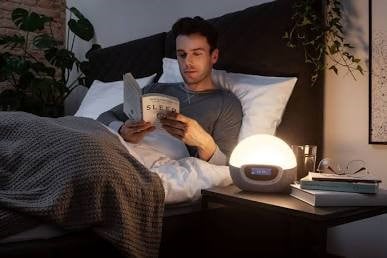
How to Reduce Panic Attacks at Night
Preventing nighttime panic often involves addressing both anxiety and sleep.
- Limiting caffeine, particularly later in the day
- Maintaining a consistent sleep schedule
- Getting regular physical activity
- Developing a relaxing bedtime routine
- Managing ongoing stress
- Addressing insomnia or other sleep problems
- Avoiding excessive alcohol or substances that may disrupt sleep
- Seeking professional treatment for persistent anxiety or panic
If recurrent panic attacks are affecting your sleep or daily life, treatment can help. Cognitive behavioral therapy (CBT) is one established treatment for panic attacks, and healthcare professionals may also consider medication depending on the individual’s circumstances.
When Should You Talk to a Doctor?
Consider speaking with a healthcare professional if nighttime episodes:
- Happen repeatedly
- Make you afraid to go to sleep
- Make it difficult to return to sleep
- Interfere with work, school or daily activities
- Are becoming more frequent or intense
- Occur along with loud snoring, gasping or choking
- Are new or unexplained
A healthcare professional can help determine whether the symptoms are consistent with panic or whether another condition should be evaluated.
Depending on your symptoms, evaluation may include consideration of anxiety or panic disorder, sleep apnea, thyroid problems, heart conditions or other causes of similar physical symptoms.
When to Seek Emergency Care
Although panic attacks themselves aren’t generally considered life-threatening, panic symptoms can resemble medical emergencies.
Seek urgent medical attention for new or severe chest pain, significant difficulty breathing, fainting or symptoms that feel substantially different from previous panic attacks.
If you’re unsure whether you’re experiencing panic or a medical emergency, it’s safer to seek immediate medical evaluation.
The Bottom Line
Waking suddenly with a racing heart, shortness of breath or intense fear can be terrifying. Nocturnal panic attacks are real and treatable, but nighttime panic symptoms can overlap with sleep apnea and other medical conditions.
If your episodes are recurring, don’t simply assume that anxiety is the explanation. Pay attention to symptoms such as snoring, gasping, choking, daytime sleepiness and repeated awakenings, and discuss them with a healthcare professional.
If your symptoms suggest obstructive sleep apnea, Sleepcare Online can help you determine whether an at-home sleep apnea test may be appropriate as part of your evaluation. The goal isn’t simply to identify a sleep disorder—it’s to understand what’s waking you up and find the right path toward better, more restorative sleep.
Frequently Asked Questions
Are nocturnal panic attacks dangerous?
Panic attacks themselves aren’t generally considered life-threatening, but they can be extremely frightening and can interfere with sleep. Repeated episodes may also contribute to anxiety about going to bed or difficulty sleeping. Because symptoms such as chest pain, shortness of breath and a racing heart can have causes other than panic, don’t assume that new or severe symptoms are anxiety without appropriate medical evaluation.
Can you have a panic attack in your sleep?
Yes. A nocturnal panic attack can wake you suddenly from sleep with intense fear and physical symptoms such as a racing heart, sweating or difficulty breathing.
What’s the difference between a panic attack and a nightmare?
A nightmare generally involves a frightening dream that you may remember after waking. A nocturnal panic attack can wake you with intense fear and physical symptoms without an obvious remembered dream.
What’s the difference between a panic attack and a night terror?
During a nocturnal panic attack, you’re generally awake and aware of what is happening. During a night terror, a person may appear frightened or agitated while remaining partly asleep and often won’t remember the episode afterward.
Can sleep apnea cause you to wake up gasping?
Yes. Obstructive sleep apnea can cause repeated breathing interruptions during sleep, which may result in gasping, choking or abrupt awakenings. If these symptoms occur regularly—especially alongside loud snoring or excessive daytime sleepiness—talk with a healthcare professional about whether a sleep apnea evaluation is appropriate.
Should I get an at-home sleep apnea test?
An at-home sleep apnea test may be appropriate for some adults who have symptoms suggesting an increased risk of obstructive sleep apnea. It isn’t intended as a general screening test for people without symptoms, and the test should be ordered and interpreted as part of appropriate medical care.

Chris Vasta is the President of The CPAP Shop and a leading authority in sleep and respiratory therapy. With years of hands-on experience in the industry, Chris collaborates closely with top manufacturers and offers expert insights that help shape the design and performance of new CPAP products. He is frequently sought after to evaluate prototypes, provide professional reviews of new releases, and share his expertise to help patients and clinicians make informed decisions about sleep therapy solutions.
As the President of The CPAP Shop, Chris works hard to make sure every customer’s needs are met by stocking hundreds of the highest quality CPAP items. He understands the challenge sleep apnea brings to patients and is dedicated to improving the quality of our customer’s lives.