Getting the results of a sleep study can feel a little overwhelming — especially when the report is filled with numbers and clinical terms. But understanding your sleep study test results does not have to be complicated. This guide breaks everything down in plain English, so you can walk away knowing exactly what your overnight sleep findings mean and what your next steps should be. Whether you are wondering what are normal sleep study results, or you have received results from an at-home device and want clarity on your home sleep study results, we have got you covered.

What Is a Sleep Study Report?
A sleep study report is a summary of everything that happened while you slept — your breathing, your oxygen levels, how many times you stirred, and how long you spent in each stage of sleep. Think of it as a detailed health snapshot of a single night.
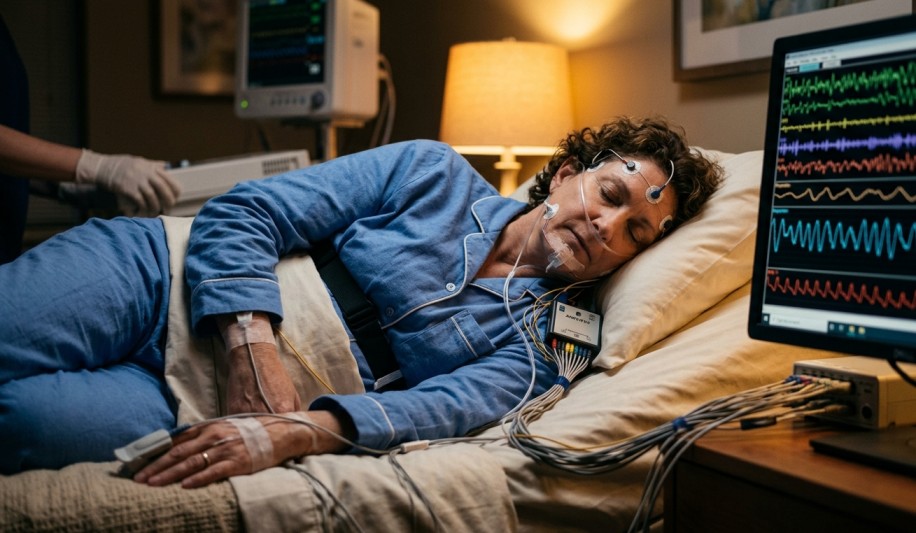
These reports are generated by either an in-lab polysomnography (PSG) — where you spend the night at a sleep clinic — or a portable home sleep test, which you wear in the comfort of your own bed. Both types produce sleep metrics that a specialist reviews to determine whether you have a sleep disorder and, if so, how significant it is.
Key Terms in Your Sleep Report — Explained Simply
Before diving into what normal looks like, it helps to understand the key measurements. Here are the most common terms you will see on a sleep study report, in plain English:
📊 Sleep Metrics at a Glance
| Metric | Normal Range | Flag If… | Plain-English Meaning |
| Apnea-Hypopnea Index (AHI) | < 5 events/hr | > 5 events/hr | How often breathing pauses per hour of sleep |
| Blood Oxygen Level (SpO2) | ≥ 95% | < 90% | How well oxygen is reaching your blood during sleep |
| Sleep Efficiency | > 85% | < 75% | Percentage of time in bed actually spent sleeping |
| REM Sleep | 20–25% of total sleep | < 15% | Deep, restorative dream sleep — essential for brain health |
| Deep Sleep (N3) | 13–23% of total sleep | < 10% | Physically restorative stage; supports immune function |
| Heart Rate (avg sleeping) | 40–70 bpm | > 80 bpm consistently | Elevated rate may indicate stress on the cardiovascular system |
The most important number in almost every sleep report is the Apnea-Hypopnea Index, or AHI. It tells your doctor how many times per hour your breathing slowed significantly or stopped altogether during sleep. A low AHI is a great sign; a high AHI is what leads to a sleep apnea diagnosis.
What Are Normal Sleep Study Results?
So, what are normal sleep study results? In general, a normal result means your body is breathing freely, your oxygen levels are staying above 95% throughout the night, and your AHI is below 5 events per hour. You are cycling through healthy sleep stages — including enough deep sleep and REM sleep — without significant interruption.
Here is a simple way to think about it: a normal sleep report is one that gives your doctor no reason for concern. You wake up feeling relatively rested, your heart and lungs are not under stress while you sleep, and there are no red flags pointing toward a disorder.
| 💡 Quick Reminder: A single night of poor sleep does not automatically mean something is wrong. Results should always be reviewed in context with your symptoms and overall health history. |
📋 The AHI Severity Scale — Where Do Your Results Fall?
| Severity | AHI Range | What It Means for You |
| Normal | AHI < 5 events/hr | Few or no breathing interruptions. No treatment typically needed. |
| Mild | AHI 5–14 events/hr | Minor breathing disruptions. Lifestyle changes often recommended. |
| Moderate | AHI 15–29 events/hr | Significant interruptions. CPAP therapy is commonly prescribed. |
| Severe | AHI ≥ 30 events/hr | Frequent disruptions. Treatment is strongly advised. |
Understanding Normal Home Sleep Study Results
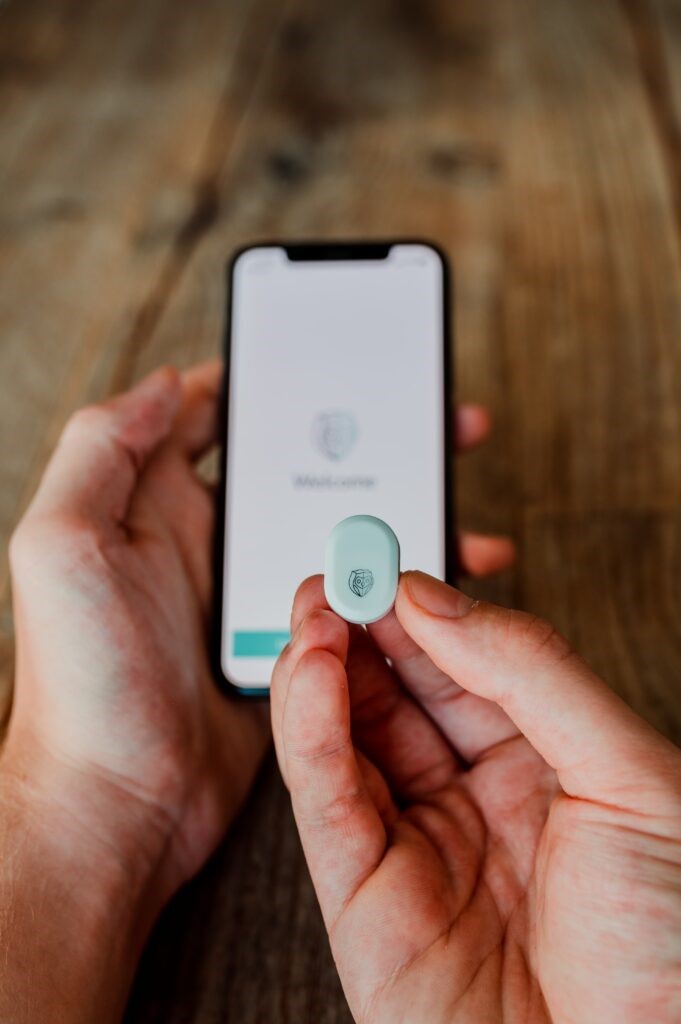
If you completed an at-home sleep evaluation rather than an in-lab study, your home sleep study results will look slightly different — but the key metrics remain the same. Home devices primarily focus on breathing patterns, oxygen saturation, and heart rate. They are specifically designed to screen for obstructive sleep apnea.
Normal home sleep study results typically show an AHI below 5 and consistent oxygen levels above 95% throughout the night. If your results fall within these ranges and you are not experiencing symptoms like loud snoring, gasping, or significant daytime fatigue, your doctor will likely confirm that no sleep disorder is present.
Curious about whether a home test is right for you? Learn more about how to diagnose sleep apnea at home.
What Happens When Sleep Study Results Are Abnormal?
Receiving abnormal sleep study results does not have to be alarming — it simply means your body showed patterns during sleep that warrant attention. The most common finding is obstructive sleep apnea (OSA), where the airway partially or fully collapses repeatedly during sleep, causing those characteristic breathing interruptions.
Depending on the severity of your results, your care team may recommend:
- Lifestyle adjustments — such as weight management, reducing alcohol, or positional therapy for mild cases.
- CPAP therapy — the gold-standard treatment for moderate to severe sleep apnea, which uses gentle air pressure to keep your airway open.
- Oral appliance therapy — a custom mouthguard-style device that repositions the jaw during sleep.
- Further testing — in some cases, a follow-up in-lab study may be ordered for a more complete picture.
If CPAP is recommended, your provider will walk you through getting a CPAP prescription. You can also explore exercises for sleep apnea as a complementary approach to managing mild symptoms.
How to Interpret Sleep Study Results: A Simple Framework
Knowing how to interpret sleep study results does not require a medical degree. Here is a simple three-step approach:
| 1 | Find your AHI first. This single number tells you whether sleep-disordered breathing is present and how significant it is. |
| 2 | Check your oxygen levels. If SpO2 dipped below 90% repeatedly during the night, that is a meaningful red flag, even if your AHI looks borderline. |
| 3 | Review your sleep stages. Were you getting enough deep sleep and REM? Disrupted sleep architecture — even without apnea — can explain why you feel tired despite a full night in bed. |
| Always review your results with your physician or sleep specialist. Numbers on a report tell part of the story — your symptoms and daily experience tell the rest. |
Frequently Asked Questions
What is a good AHI score? |
An AHI below 5 events per hour is considered normal for adults. Some guidelines consider fewer than 1–2 events per hour ideal, though occasional breathing variations during sleep are completely natural.
What does it mean if my oxygen dropped during the night? |
Occasional minor dips in oxygen are normal. However, if your SpO2 repeatedly fell below 90% for extended periods, this is considered significant and should be discussed with your provider.
Can I have sleep apnea if my results come back normal? |
It is possible. Home tests are excellent screening tools but measure fewer data points than an in-lab study. If you have strong symptoms despite normal home test results, your doctor may recommend a more comprehensive in-lab evaluation.
How long does it take to receive sleep study results? |
In-lab results are typically reviewed within one to two weeks. Home sleep test results are often available within a few days to a week, depending on your provider.
Are sleep study test results covered by insurance? |
Many health insurance plans, including Medicare and Medicaid, cover sleep studies when medically necessary. Check with your provider and insurance carrier for your specific coverage details.
What if my results show something other than sleep apnea? |
Sleep studies can also detect restless leg syndrome, narcolepsy, insomnia patterns, and other disorders. Your sleep specialist will review all findings holistically and discuss a treatment plan tailored to your situation.
Conclusion
Your sleep evaluation findings are a window into one of the most important things your body does every night. Understanding them empowers you to take the right next steps — whether that means peace of mind from a normal result or getting the support you need for a sleep disorder. If you are still unsure about your sleep study test results, do not hesitate to bring your report to your doctor and ask questions. Sleep health is worth understanding.
Authoritative Sources Referenced
- American Academy of Sleep Medicine (AASM) — aasm.org — AHI classification thresholds and sleep disorder definitions.
- National Sleep Foundation — sleepfoundation.org — Consumer sleep health data and sleep stage guidance.
- NIH / National Heart, Lung, and Blood Institute — nhlbi.nih.gov — Clinical overview of sleep apnea, diagnosis, and treatment.
Not Sure If You Have a Sleep Disorder?
Skip the clinic wait and find out from home. Our at-home sleep apnea test is clinically validated, easy to use, and delivers fast results reviewed by a licensed sleep specialist.

Chris Vasta is the President of The CPAP Shop and a leading authority in sleep and respiratory therapy. With years of hands-on experience in the industry, Chris collaborates closely with top manufacturers and offers expert insights that help shape the design and performance of new CPAP products. He is frequently sought after to evaluate prototypes, provide professional reviews of new releases, and share his expertise to help patients and clinicians make informed decisions about sleep therapy solutions.
As the President of The CPAP Shop, Chris works hard to make sure every customer’s needs are met by stocking hundreds of the highest quality CPAP items. He understands the challenge sleep apnea brings to patients and is dedicated to improving the quality of our customer’s lives.