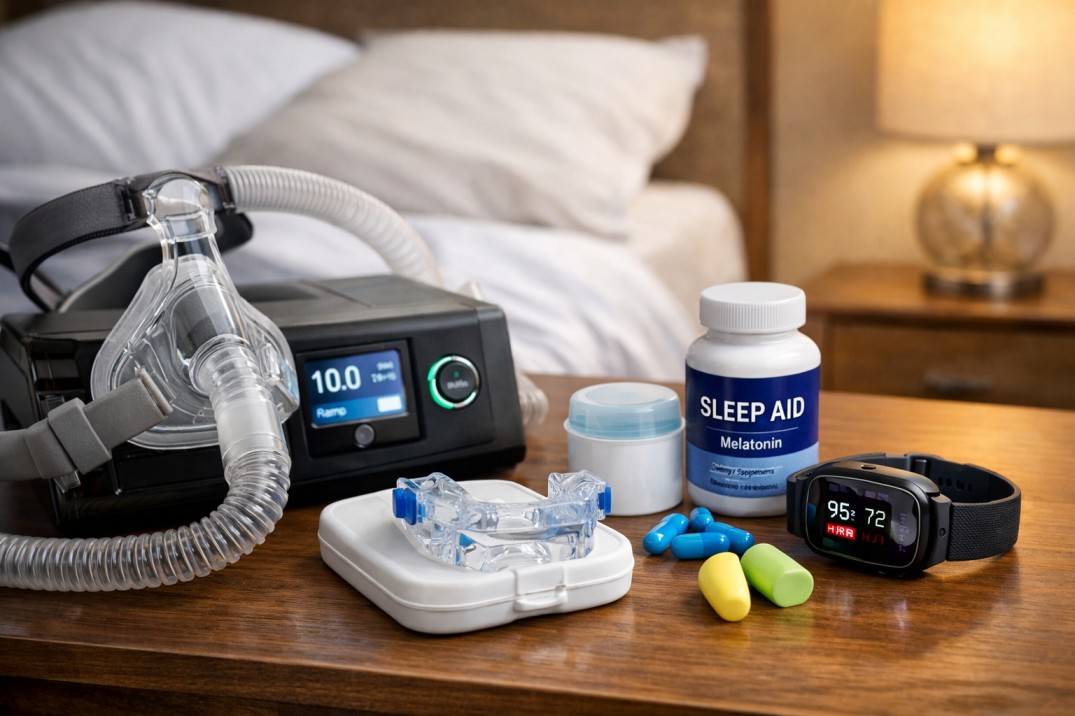
For many individuals living with chronic fatigue and heavy snoring, Continuous Positive Airway Pressure (CPAP) therapy is a lifeline. However, a significant percentage of patients find the mask cumbersome or ineffective, leading them to investigate sleep apnea surgery as a more permanent solution. Deciding to pursue surgery for sleep apnea is a major health milestone that requires a deep understanding of the physiological causes of airway obstruction. Whether you are considering traditional obstructive sleep apnea surgery to remove excess tissue or the modern sleep apnea surgery implant known as Inspire, knowing your sleep apnea surgery options is the first step toward reclaiming your health. Of course, many patients first ask, “how much is sleep apnea surgery?” and whether the investment correlates with long-term success. This guide explores the diverse sleep apnea surgery options available today, helping you determine if surgery for sleep apnea is the right path for your specific diagnosis.
Why Consider Sleep Apnea Surgery?
While non-invasive treatments are usually the first line of defense, they often address the symptoms rather than the underlying anatomical cause. Obstructive sleep apnea surgery aims to physically alter the airway to prevent collapse during the night. For many, this isn’t just about convenience; it’s about reducing the long-term risks of heart disease, stroke, and metabolic dysfunction.
Before diving into surgical interventions, clinicians often recommend non-surgical attempts to improve airway tone. Some patients find success through targeted exercises to reduce sleep apnea, which strengthen the tongue and throat muscles. However, when these conservative measures—and CPAP—fail, surgical intervention becomes a primary consideration. To begin this journey, most specialists require a verified home sleep apnea test to establish a baseline.
Understanding the Most Common Sleep Apnea Surgery Options
The goal of any sleep apnea surgery is to create a more stable and open airway. Because the site of obstruction varies from person to person—occurring at the nose, the soft palate, or the base of the tongue—there is no one-size-fits-all procedure.
Soft Tissue Procedures
The most common traditional procedure is the Uvulopalatopharyngoplasty (UPPP). During this procedure, a surgeon removes excess tissue from the soft palate and pharynx. While effective for some, the success rate can be variable, leading many to seek second-generation sleep apnea surgery options.
Skeletal Surgeries (MMA)
Maxillomandibular Advancement (MMA) is considered one of the most effective sleep apnea surgery options for severe cases. By surgically moving the upper and lower jaws forward, the entire airway is enlarged. While this is a more invasive surgery for sleep apnea, it boasts high success rates for those with specific facial structures or severe nocturnal desaturations.
The Innovative Sleep Apnea Surgery Implant: Upper Airway Stimulation
One of the most significant breakthroughs in recent years is the sleep apnea surgery implant, often referred to by the brand name Inspire. Unlike traditional surgeries that remove or move tissue, this implant works through neuromodulation.
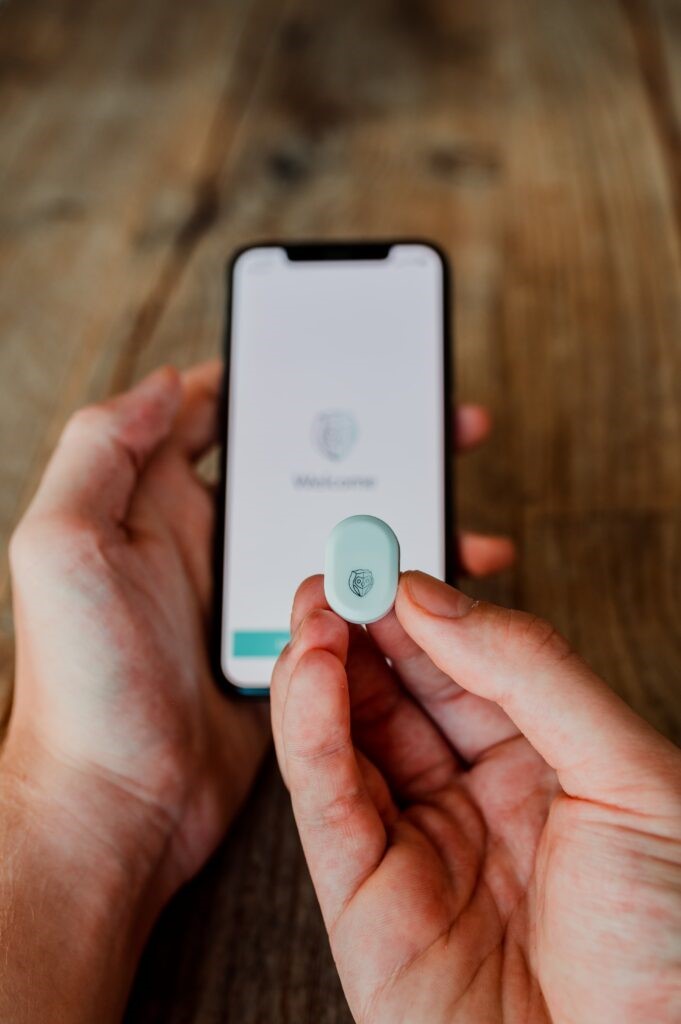
The sleep apnea surgery implant is a small device placed under the skin of the chest during a minimally invasive outpatient procedure. It monitors your breathing and sends mild stimulation to the hypoglossal nerve, which controls the tongue. This stimulation keeps the tongue forward and the airway open without the need for a mask or major jaw reconstruction. According to the American Academy of Sleep Medicine, upper airway stimulation is an increasingly popular alternative for those with moderate to severe OSA who cannot tolerate CPAP.
Financial Considerations: How Much is Sleep Apnea Surgery?
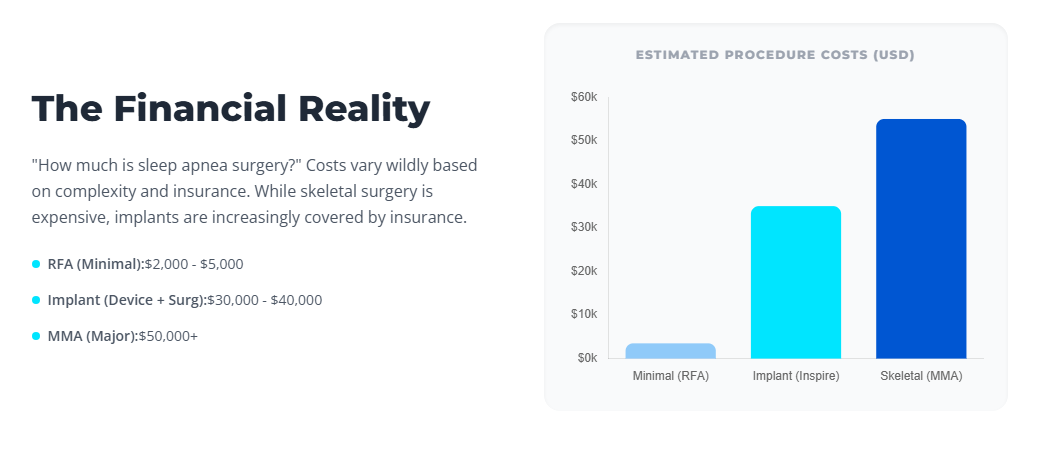
When patients begin their research, the inevitable question arises: How much is sleep apnea surgery? The cost can vary wildly depending on the procedure type, your geographic location, and insurance coverage.
- Minimally Invasive Procedures: Procedures like radiofrequency ablation may cost between $2,000 and $5,000.
- The Sleep Apnea Surgery Implant: The cost for the device and the surgical implantation can range from $30,000 to $40,000. However, many private insurers and Medicare now cover this for patients who meet specific criteria.
- Major Skeletal Surgery: MMA surgery can exceed $50,000 due to the complexity of the procedure and required hospital stays.
It is vital to consult with your provider to see if you have completed the necessary prerequisites, such as a formal home sleep apnea test, which is required by most insurance companies to prove the severity of your condition before they will approve a surgery for sleep apnea.
Recovery and Post-Operative Care
Recovery time depends heavily on which of the sleep apnea surgery options you choose. Soft tissue surgeries may involve a painful throat for two weeks, while jaw surgeries require a liquid diet and several weeks of downtime.
During recovery, many patients find that a specialized sleep apnea pillow helps maintain proper head elevation and neck alignment, reducing the risk of temporary post-op snoring and improving comfort. According to clinical resources at the Mayo Clinic, following strict post-operative protocols is essential to ensure the airway heals in an open, stable position.
FAQs
Who is a candidate for sleep apnea surgery?
Most candidates have moderate to severe OSA and have a documented history of “CPAP failure,” meaning they have tried the machine for a specified period but cannot tolerate it due to claustrophobia, skin irritation, or lack of results.
Is sleep apnea surgery permanent?
While skeletal surgeries like MMA and the sleep apnea surgery implant are designed to be long-term solutions, soft tissue procedures can sometimes see a return of symptoms if the patient gains significant weight or as tissues naturally lose elasticity with age.
Does insurance cover surgery for sleep apnea?
Generally, yes, provided you have a clinical diagnosis from a sleep study. Most insurers require an AHI (Apnea-Hypopnea Index) score that demonstrates moderate to severe apnea before they will cover obstructive sleep apnea surgery.
Conclusion
Choosing to undergo sleep apnea surgery is a significant step toward a healthier, more energetic life. By exploring the various sleep apnea surgery options—from soft tissue removal to the high-tech sleep apnea surgery implant—you can find a solution tailored to your anatomy and lifestyle. While the question of how much is sleep apnea surgery is important, the value of long-term health and the prevention of cardiovascular complications is often immeasurable.
If you are tired of struggling with a CPAP mask or feel your current treatment isn’t working, it’s time to seek a formal diagnosis.
Ready to take the first step toward a permanent solution? Before you can qualify for surgery for sleep apnea, you need an accurate, clinical-grade diagnosis. Skip the wait times of a lab and order your home sleep apnea test today from SleepCare Online to get the data you need to start your surgical consultation.

Dr. Kunal Agarwal is a highly accomplished board-certified physician specializing in Family Medicine, Sleep Medicine, and Obesity Medicine. He completed his residency at Michigan State University and a fellowship at Henry Ford Health System, and has over a decade of experience delivering exceptional patient outcomes. Dr. Argarwal is passionate about patient education and advocacy, sleep disorders, and more. His expertise in treating sleep apnea is extremely valuable to improve his patients’ lives.
Awards, Honors, & Recognition
Top Doctor
SRQ Magazine and Sarasota Magazine, 2023-2024
Fellow of American Academy of Sleep Medicine (FAASM)
American Academy of Sleep Medicine, 2021
Named “Top Doctor” for 2017, 2018 (on cover), 2019,and 2020 by Delaware Today Magazine
2017-2020