Waking up gasping for air, feeling exhausted during the day, or hearing that you snore loudly can be unsettling. If you are wondering how to prevent sleep apnea naturally, certain habits may lower risk factors for obstructive sleep apnea or reduce its severity. Understanding how to prevent sleep apnea starts with healthy weight management, physical activity, limiting alcohol, and recognizing symptoms early. You may also want to know how to sleep to prevent sleep apnea, since side sleeping can improve breathing for some people. Although these steps may help prevent sleep apnea in certain cases, they cannot guarantee prevention or replace a medical evaluation when symptoms are already present.
| Important: Lifestyle changes may lower some risk factors for obstructive sleep apnea (OSA), but they cannot prevent every case or treat every type of sleep apnea. Persistent snoring, breathing pauses, nighttime gasping, or excessive daytime sleepiness should be evaluated by a healthcare professional. |
Understanding Your Sleep Apnea Risk
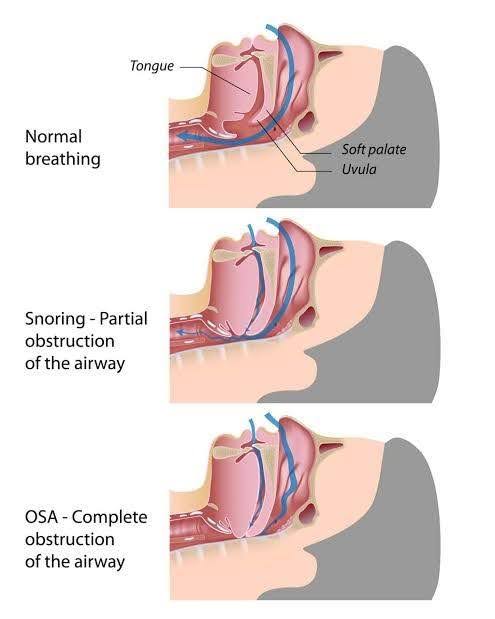
Sleep apnea is a disorder in which breathing repeatedly slows or stops during sleep. Obstructive sleep apnea, the most common type, occurs when the upper airway repeatedly narrows or closes. Risk can be affected by body weight, airway anatomy, age, family history, smoking, alcohol use, and certain medical conditions.
Not every risk factor is within your control. A naturally narrow airway, large tonsils, hormonal changes, and some health conditions can contribute to OSA. Central sleep apnea is different: it occurs when the brain does not consistently send the signals needed to breathe. Lifestyle measures aimed at keeping the upper airway open do not address that underlying problem.
Learning about the different types of sleep apnea can help you understand why the right next step depends on the cause—not just the symptoms.
Six Lifestyle Changes That May Lower OSA Risk or Severity
Healthy habits can support better sleep and may reduce OSA risk factors. If you have already been diagnosed, these changes should complement—not replace—the treatment your healthcare professional recommends.
1. Work Toward a Healthy Weight
Extra tissue around the neck and upper airway can make airway narrowing more likely during sleep. For people with overweight or obesity, gradual and sustainable weight loss may reduce the severity of OSA. It does not guarantee that the condition will disappear, so do not stop CPAP or another prescribed therapy without speaking with your healthcare professional.
Start with realistic habits:
- Build meals around vegetables, fruit, whole grains, lean protein, and healthy fats.
- Reduce heavily processed foods and sugar-sweetened drinks.
- Ask a healthcare professional about a safe weight-management plan if you have other medical conditions.

2. Get Regular Physical Activity
Regular movement supports cardiovascular health, weight management, energy, and sleep quality. A combination of aerobic activity and strength training is a practical goal for many adults. Begin at a level that fits your health and mobility, then build gradually.
Exercise is helpful, but it is not a substitute for testing when you have warning signs of sleep apnea. If fatigue makes activity difficult—or if you become short of breath, dizzy, or experience chest discomfort—seek medical guidance before increasing your exercise intensity.
3. Limit Alcohol, Especially Near Bedtime
Alcohol relaxes the muscles that help keep the upper airway open and may worsen snoring or breathing interruptions. It can also fragment sleep, leaving you less rested the next day. Limiting alcohol, particularly in the evening, is a sensible step for healthier sleep.
Some sedating medicines can also affect nighttime breathing. Do not change a prescribed medication on your own; ask the prescribing clinician whether it could influence sleep-disordered breathing.
4. Quit Smoking and Avoid Tobacco Smoke
Smoking can irritate and inflame the upper airway. Quitting supports lung, heart, and overall health and may reduce a modifiable OSA risk factor. If quitting feels difficult, evidence-based counseling, quitlines, and clinician-recommended medications can improve the likelihood of success.
5. Support Comfortable Nasal Breathing
A stuffy nose can make sleep uncomfortable and may contribute to snoring, but clearing congestion does not cure sleep apnea. Saline spray or rinse may help some adults with nasal symptoms. If you use a rinse, follow product instructions and use distilled, sterile, or appropriately boiled and cooled water.
A humidifier may help with dryness, particularly for some CPAP users, but it is a comfort measure rather than a standalone OSA treatment. Persistent congestion, allergies, or structural nasal problems deserve professional evaluation.
6. Keep a Consistent Sleep Schedule
A regular bedtime and wake time will not correct airway obstruction, but it can improve sleep consistency and make daytime symptoms easier to recognize. Give yourself enough time to sleep, reduce bright light and stimulating activities before bed, and keep the bedroom cool, dark, and quiet.
Sleep Position: Can Side Sleeping Help?
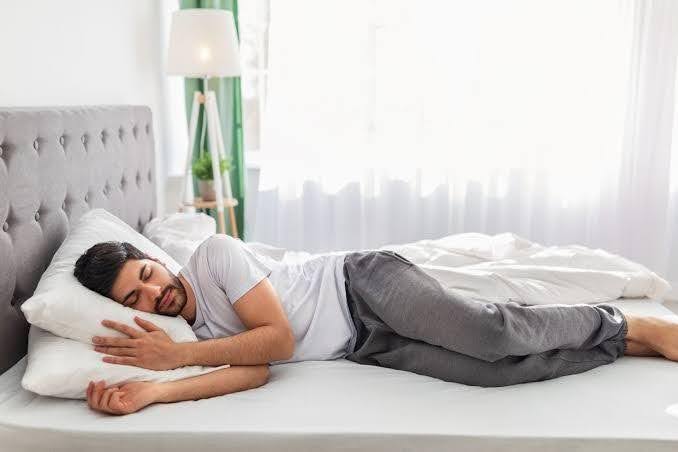
For some people, OSA becomes worse while sleeping on the back because gravity allows the tongue and surrounding tissues to move toward the airway. Side sleeping may reduce obstruction in people with positional OSA.
Try these practical approaches:
- Use a body pillow to make side sleeping more comfortable.
- Choose a pillow that keeps your head and neck in a neutral position.
- Ask a healthcare professional whether a positional sleep aid is appropriate.
- Consider modest upper-body elevation if a clinician recommends it for you.
Side sleeping is not equally effective for everyone. It should not be used as a reason to delay testing or discontinue prescribed treatment.
| Sleep Position | Potential Effect |
| Back sleeping (Supine) | May worsen airway obstruction in people with positional OSA due to gravitational collapse of soft tissues. |
| Side sleeping (Lateral) | May reduce breathing disruptions in some people, but does not replace medical treatment or CPAP therapy. |
When Should You Be Tested for Sleep Apnea?
Lifestyle changes are most useful when they are paired with timely evaluation. Talk with a healthcare professional if you experience:
- Frequent loud snoring
- Witnessed pauses in breathing
- Waking up choking or gasping
- Morning headaches or dry mouth
- Persistent fatigue or excessive daytime sleepiness
- Difficulty concentrating or unexplained irritability
- Drowsiness while driving
Do not wait for lifestyle changes to resolve these warning signs. Understanding how to diagnose for sleep apnea begins with a clinical assessment and, when appropriate, a sleep study.
For suitable adults suspected of uncomplicated OSA, an at home sleep test can collect breathing and oxygen information in the comfort of your own bed. Home testing is not appropriate for every person or every sleep disorder, so clinical screening is an important part of the process.
The Bottom Line
Healthy weight management, regular activity, less alcohol, avoiding tobacco, consistent sleep habits, and side sleeping may help lower OSA risk factors or reduce symptom severity. However, there is no natural strategy that can prevent sleep apnea in every case, correct every anatomical cause, or replace appropriate treatment. If you snore loudly, wake up gasping, have witnessed breathing pauses, or struggle with persistent daytime sleepiness, testing is more reliable than guessing. Early evaluation can identify the type and severity of sleep apnea and help you choose the safest next step.
Frequently Asked Questions
-
Can sleep apnea be prevented naturally?
Some obstructive sleep apnea risk factors may be reduced through healthy weight management, regular activity, limiting alcohol, quitting smoking, and healthy sleep habits. However, anatomy, age, family history, and medical conditions also influence risk. No lifestyle approach can guarantee prevention.
-
What sleeping position is best for obstructive sleep apnea?
Side sleeping may reduce airway obstruction in people whose OSA worsens on their back. It is not effective for everyone and should not replace CPAP or another prescribed treatment.
-
Can losing weight make sleep apnea go away?
Weight loss may reduce OSA severity in people with overweight or obesity, but it does not guarantee that the condition will resolve. Follow-up testing may be needed before a clinician recommends changing treatment.
-
Can throat exercises cure sleep apnea?
Exercises used in clinician-guided myofunctional therapy may improve certain symptoms in some patients, but they are not a guaranteed cure. Research is still evolving, and these exercises should be considered an adjunct—not a replacement for an established treatment such as CPAP.
-
How do I know whether I need CPAP?
A healthcare professional considers your sleep-study results, symptoms, medical history, and personal needs. CPAP is a standard and highly effective OSA treatment, but an apnea-hypopnea index number alone should not be used to select treatment without clinical interpretation.

Chris Vasta is the President of The CPAP Shop and a leading authority in sleep and respiratory therapy. With years of hands-on experience in the industry, Chris collaborates closely with top manufacturers and offers expert insights that help shape the design and performance of new CPAP products. He is frequently sought after to evaluate prototypes, provide professional reviews of new releases, and share his expertise to help patients and clinicians make informed decisions about sleep therapy solutions.
As the President of The CPAP Shop, Chris works hard to make sure every customer’s needs are met by stocking hundreds of the highest quality CPAP items. He understands the challenge sleep apnea brings to patients and is dedicated to improving the quality of our customer’s lives.