If your doctor has recommended a sleep study, you may have questions about what to expect and how to get ready. Knowing how to prepare for a sleep study can make the experience far less stressful and help ensure your results are accurate. Sleep study preparation begins well before the night of your test — and a little planning goes a long way. Whether you are scheduled for an in-lab polysomnography or an at-home evaluation, this complete patient guide walks you through everything you need to know.
Understanding What a Sleep Study Actually Tests
A sleep study — also called a polysomnography — monitors your body while you sleep. Sensors track brain activity, eye movements, heart rate, oxygen levels, and respiratory rate while sleeping to identify disorders such as sleep apnea, restless leg syndrome, insomnia, and narcolepsy.
There are two main formats:
- In-lab sleep study: You spend the night at a sleep center while technicians monitor you in real time.
- Home sleep test: A portable device records key data while you sleep in your own bed.
Understanding the type of test ordered helps you prepare appropriately and set realistic expectations for the night ahead.
How to Prepare for a Sleep Study: Day-by-Day Checklist
Successful sleep study preparation starts several days before your appointment. Here is a practical timeline to follow:
The Week Before Your Study
- Review your medications with your prescribing physician. Some drugs — particularly sedatives, stimulants, and certain antidepressants — can interfere with sleep architecture and may need to be temporarily adjusted. Never stop medications without medical guidance.
- Maintain a consistent sleep schedule. Avoid sleeping in or staying up unusually late. The closer your routine is to normal, the more representative your test results will be.
- Limit alcohol and caffeine. Both can significantly alter sleep patterns. Aim to reduce or eliminate caffeine at least 24 hours before your study and avoid alcohol entirely on the day of the test.
The Day of Your Sleep Study
- Avoid napping. Even a short nap can make it harder to fall asleep during the study and may skew your results.
- Wash your hair but skip any styling products — gels, hairsprays, and conditioners can prevent electrodes from adhering properly to your scalp.
- Eat a light dinner at your usual time. Avoid heavy, rich meals close to bedtime.
- Pack comfortably. If attending an in-lab study, bring pajamas you find genuinely comfortable, your usual pillow if permitted, any nightly medications, and personal toiletries for the morning.
- Arrive relaxed. Give yourself extra travel time so you are not rushing. Anxiety before a sleep study is completely normal, but arriving calm helps.
How to Prepare for a Sleep Study at Home
More patients are now choosing home-based testing as an accessible alternative to in-lab evaluations. If you are wondering how to prepare for a sleep study at home, the process is largely similar, with a few important distinctions.
Your provider will supply a portable monitoring device with clear setup instructions. Before your test night:
- Read the instructions thoroughly so you are not figuring out equipment at bedtime.
- Sleep in your normal environment. One of the advantages of home testing is the familiarity of your own bed — do not rearrange your room or sleep somewhere different.
- Follow the same day-of guidelines as you would for an in-lab study: no caffeine, no alcohol, no napping.
- Charge the device in advance and ensure it is functioning properly.
If you are considering diagnosing sleep apnea at home, a home sleep test can be a convenient and clinically reliable option for many patients.
How to Prepare for a Sleep Study Test: What to Expect the Night Of
Knowing what will happen when you arrive removes a great deal of uncertainty. Here is a general overview of how to prepare for a sleep study test and what the actual night looks like:
In-Lab Experience
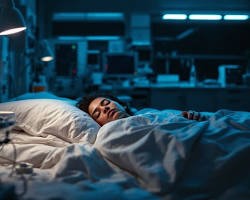
After check-in, a sleep technician will apply sensors to your scalp, face, chest, and legs using a mild adhesive. Leads will also be placed to monitor breathing effort and oxygen saturation. The process takes roughly 30–60 minutes. Once you are ready, you will settle into a private, hotel-style room and attempt to sleep as normally as possible.
Most patients worry they will not be able to fall asleep — and while the first hour can feel awkward, the vast majority of people do sleep enough for a meaningful recording. Technicians monitor everything from an adjacent room and will not disturb you unless necessary.
The Morning After
You will typically be discharged in the early morning. A sleep specialist will analyze your data and schedule a follow-up appointment to discuss findings and any recommended treatment.
Lifestyle Habits That Support Better Sleep Study Results
Beyond the immediate preparation steps, certain lifestyle factors can improve both your test results and your sleep health overall. The American Academy of Sleep Medicine recommends maintaining a consistent sleep-wake schedule, limiting screen time before bed, and keeping your bedroom cool and dark.
Additionally, research published by the National Sleep Foundation suggests that regular physical activity meaningfully improves sleep quality. If you have already been diagnosed with a breathing-related sleep disorder, consider exploring exercises for sleep apnea as part of a comprehensive management plan.
Conclusion
Preparing for a sleep evaluation does not have to be complicated. By following the right steps — from managing your medication schedule to skipping your morning coffee — you set yourself up for a smooth, accurate night of monitoring. Whether you are attending an in-lab facility or preparing for a sleep study in your own home, the key is consistency with your normal routine and open communication with your care team. The insights gained from a sleep study can be genuinely life-changing, pointing the way to better rest and improved overall health.
Frequently Asked Questions
What should I not do before a sleep study?
Avoid caffeine, alcohol, and napping on the day of your study. Do not use hair products, and do not take sedative medications unless specifically directed by your physician.
Can I use my phone during a sleep study?
You can use your phone before lights-out, but most sleep centers ask that you avoid it once the study begins, as screen light can delay sleep onset.
Will I be able to sleep with all those wires attached?
It can feel unusual at first, but most patients sleep sufficiently for a valid recording. Technicians apply sensors carefully to minimize discomfort.
What if I cannot fall asleep at all during the study?
Let your care team know. In some cases, a mild sleep aid may be offered if appropriate. Even limited sleep data can provide useful diagnostic information.
How long does it take to get sleep study results?
Results are typically reviewed within one to two weeks, after which your physician will schedule a follow-up consultation.
Is a home sleep test as accurate as an in-lab study?
For diagnosing obstructive sleep apnea in adults without significant comorbidities, home sleep tests can be highly accurate. Your doctor will advise on the most appropriate option for your clinical situation.
Chris Vasta is the President of The CPAP Shop and a leading authority in sleep and respiratory therapy. With years of hands-on experience in the industry, Chris collaborates closely with top manufacturers and offers expert insights that help shape the design and performance of new CPAP products. He is frequently sought after to evaluate prototypes, provide professional reviews of new releases, and share his expertise to help patients and clinicians make informed decisions about sleep therapy solutions.
As the President of The CPAP Shop, Chris works hard to make sure every customer’s needs are met by stocking hundreds of the highest quality CPAP items. He understands the challenge sleep apnea brings to patients and is dedicated to improving the quality of our customer’s lives.