If you’ve been diagnosed with obstructive sleep apnea (OSA), you probably know the routine: your doctor recommends a CPAP machine, and you try to make peace with a mask strapped to your face every night. If that’s been a struggle, you’re not alone. Research shows that roughly half of people stop using their CPAP machines within the first year, often due to discomfort, claustrophobia, or nasal dryness (Rotenberg et al., 2016). If you’re in that boat, you’re probably already looking into CPAP alternatives that fit your life a little better.
Here’s the encouraging part: sleep medicine has moved well past “mask or nothing.” There’s a genuine range of alternatives to CPAP available today, and several of them are just as effective while being far less intrusive to live with. This guide walks through the leading options for treating sleep apnea without a CPAP machine, so you can figure out the best alternative to CPAP for your specific situation and finally get back to waking up rested.
Moving Beyond the Mask: CPAP Alternatives for Sleep Apnea
No matter which option you land on, the underlying goal stays the same: keep your airway open all night so your brain and body get a steady supply of oxygen. When the airway partially collapses, it triggers tiny awakenings that quietly wreck your sleep quality, even if you don’t remember them in the morning. The good news is you don’t necessarily need a forced-air pump to prevent that. Depending on whether your apnea is mild, moderate, or severe, a mix of non-invasive therapies or minor procedures can offer real relief. Here’s what the evidence actually supports.
Oral Appliance Therapy (OAT)
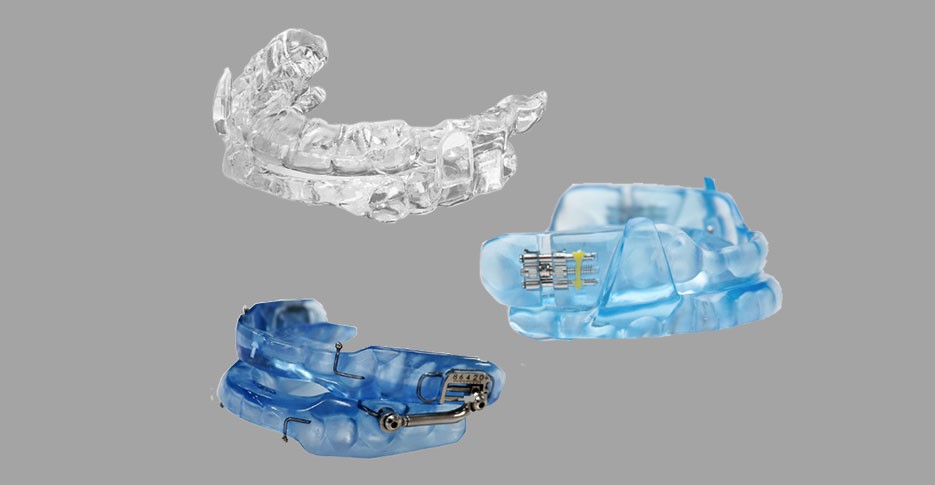
For a lot of people, a custom-fit dental device turns out to be the most comfortable option on this list. Known as mandibular advancement devices (MADs), these look similar to a sports mouthguard or an orthodontic retainer. You wear it right before bed, and it works by gently shifting your lower jaw slightly forward, which pulls the base of your tongue away from the back of your throat and opens the airway. Long-term adherence studies on custom oral appliances have found that a large majority of patients keep using them consistently, largely because they’re so much easier to tolerate than a mask. For mild-to-moderate OSA, this is one of the more reliable non-CPAP options available.
Positional Therapy
Some people only experience airway blockages when sleeping flat on their back — this is known as positional sleep apnea. Lying on your back lets gravity pull the tongue and soft palate downward into the throat. Positional therapy devices, like a small vibrating band worn around the chest or neck, gently buzz whenever you roll onto your back, nudging you back onto your side without fully waking you up. Side-sleeping keeps the airway naturally clearer and can meaningfully reduce breathing interruptions over the course of the night.
Upper Airway Stimulation (Inspire Therapy)
For people with moderate-to-severe sleep apnea who can’t tolerate CPAP, a small implanted device called Inspire has become one of the more talked-about options in sleep medicine. Think of it as a pacemaker for your airway. A surgeon places a small device under the skin of the chest during an outpatient procedure. At night, you switch it on with a handheld remote. The device tracks your breathing pattern and delivers a gentle, barely-noticeable pulse to the hypoglossal nerve — the nerve that controls tongue movement — nudging the tongue forward with each inhale so the airway doesn’t collapse.
How Lifestyle Adjustments Support Treatment
Devices and appliances do a lot of heavy lifting, but everyday habits play a bigger role in airway collapse than most people expect. While habits alone rarely replace a medically supervised treatment, layering them on top of any of the alternatives to cpap above can noticeably improve your results.
Targeted weight loss: Extra weight carried around the neck adds physical pressure on the airway. Clinical data shows that losing even 10% of body weight can cut Apnea-Hypopnea Index (AHI) scores by more than half, and in some mild cases resolve the condition entirely.
Cutting back on nighttime alcohol: Alcohol is a muscle relaxant, and drinking within a few hours of bedtime causes the throat muscles to sag more than usual, which worsens both snoring and apnea events.
Myofunctional therapy: Much like training any other muscle group, specific tongue and throat exercises can strengthen the airway muscles over time, making them less prone to collapsing once you fall asleep.
Consistent sleep schedule: Going to bed and waking up at consistent times helps regulate the deeper sleep stages where airway muscles tend to relax the most, which can make any device or appliance you’re using more effective.
These changes won’t replace a diagnosed treatment plan on their own, but combined with the right therapy, they tend to compound the benefits.
Taking Control of Your Sleep Health
Living with sleep apnea doesn’t have to mean a lifetime of uncomfortable masks and tangled hoses. Between oral appliances, positional therapy, upper airway stimulation, and a handful of lifestyle changes, there are legitimate cpap alternatives that work for nearly every severity level and lifestyle. Whichever path fits you best, an accurate diagnosis is the starting point — and any therapy you pursue should be tracked under a valid medical order, since staying on top of CPAP compliance and prescription requirements is what protects your long-term cardiovascular and metabolic health.
If you think it might be time to explore something other than your current mask, start with an at home sleep test to get a clear picture of where things stand. Already have a diagnosis and just need the paperwork sorted? You can Get a CPAP prescription online through our clinical team, or request a CPAP prescription renewal if yours has lapsed.
Frequently Asked Questions
Can I treat sleep apnea entirely without a machine?
Yes, in many cases. Mild-to-moderate obstructive sleep apnea is frequently managed without a machine using custom oral appliances or positional therapy devices. For more severe cases, surgical options like upper airway stimulation can also remove the need for a traditional CPAP machine, though that decision should always be made with your treating physician.
Are oral appliances as effective as CPAP?
For mild-to-moderate sleep apnea, custom oral appliances produce health outcomes — like reduced daytime fatigue and improved blood pressure — that are broadly comparable to CPAP. CPAP technically reduces breathing pauses more aggressively on paper, but oral appliances often deliver similar real-world benefits because people are far more likely to wear them consistently through the night.
How do I know if I qualify for a non-CPAP treatment?
It starts with an accurate diagnosis. Your eligibility for alternative treatments depends on the severity of your sleep apnea and your specific throat anatomy. An at home sleep test is a straightforward way to evaluate your sleep health and get the metrics your provider needs to recommend the right option.
Can I just buy an over-the-counter mouthguard for sleep apnea?
This isn’t recommended. Over-the-counter boil-and-bite guards are built for teeth grinding, not sleep apnea. They aren’t FDA-cleared for sleep apnea treatment, can shift your bite over time, may cause jaw pain, and often don’t keep the airway open the way a custom device does. Real oral appliance therapy requires a device fitted and calibrated by a professional.
Will insurance cover non-CPAP sleep apnea treatments?
Many oral appliances and the Inspire implant are covered by insurance when obstructive sleep apnea has been formally diagnosed through a sleep study, though coverage details vary by plan. It’s worth confirming with your provider once you have a diagnosis in hand.
This article is for general educational purposes and isn’t a substitute for individualized medical advice. Talk with a licensed sleep medicine provider before starting, stopping, or switching any sleep apnea treatment.
References
- Rotenberg, B.W., Murariu, D., & Pang, K.P. (2016). Trends in CPAP adherence over twenty years of data collection: a flattened curve. Journal of Otolaryngology – Head & Neck Surgery.
- Yale Medicine / Yale News. Beyond CPAP: The future of sleep apnea treatment.
- CHEST Physician Journal. Study demonstrates strong patient compliance with oral device for OSA.
- American Academy of Sleep Medicine (AASM). Clinical practice guidance on oral appliance therapy for obstructive sleep apnea.
Chris Vasta is the President of The CPAP Shop and a leading authority in sleep and respiratory therapy. With years of hands-on experience in the industry, Chris collaborates closely with top manufacturers and offers expert insights that help shape the design and performance of new CPAP products. He is frequently sought after to evaluate prototypes, provide professional reviews of new releases, and share his expertise to help patients and clinicians make informed decisions about sleep therapy solutions.
As the President of The CPAP Shop, Chris works hard to make sure every customer’s needs are met by stocking hundreds of the highest quality CPAP items. He understands the challenge sleep apnea brings to patients and is dedicated to improving the quality of our customer’s lives.