If you are searching for untreated sleep apnea life expectancy, you are probably wondering whether repeated pauses in breathing can shorten your life. The honest answer is that untreated sleep apnea can raise the risk of serious health problems, but no responsible clinician can translate a diagnosis into an exact number of years lost. Life expectancy with untreated sleep apnea varies with the type and severity of the disorder, the depth and duration of oxygen drops, age, heart and metabolic health, and whether effective care begins.
The most important untreated sleep apnea risks include high blood pressure, heart rhythm problems, heart attack, stroke, type 2 diabetes, cognitive changes, and accidents caused by daytime sleepiness. Associations are strongest with moderate to severe disease and substantial oxygen loss. The good news is that testing and effective care can help you understand and address your personal risk.
Summary
- Sleep apnea repeatedly disrupts breathing, oxygen levels, and restorative sleep.
- Severe disease is associated with higher cardiovascular and all-cause mortality, but it cannot predict an individual lifespan.
- Diagnosis and clinician-guided treatment can improve breathing, sleepiness, and quality of life.
How Untreated Sleep Apnea Affects the Body
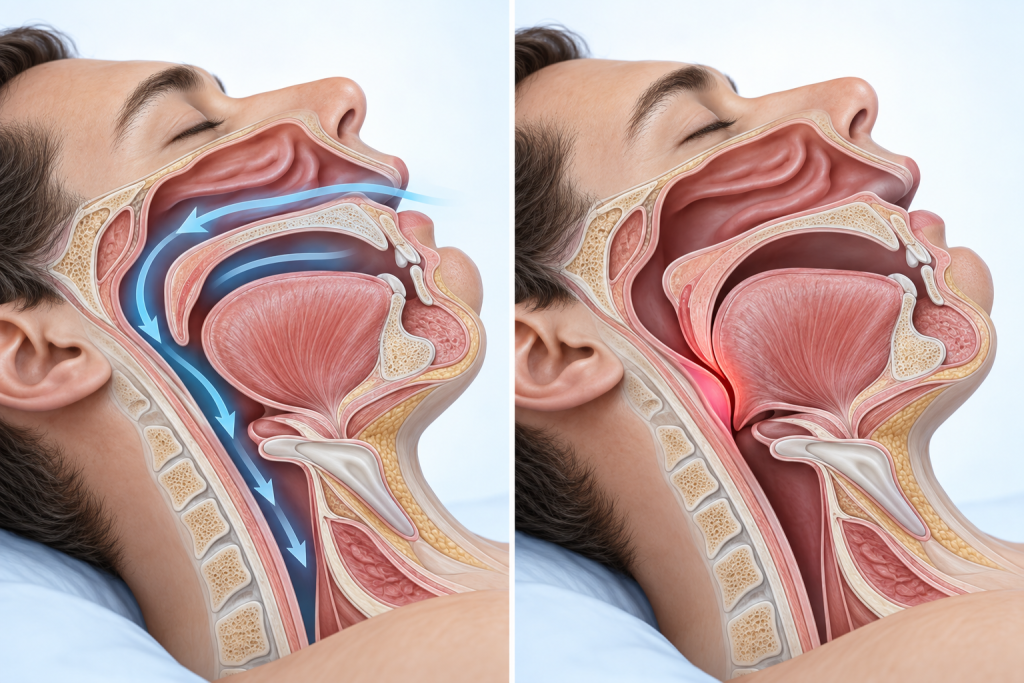
Obstructive sleep apnea occurs when the upper airway repeatedly narrows or closes during sleep. Breathing may stop until the brain briefly activates the body to reopen the airway, fragmenting sleep even when the person does not remember waking.
Each event can lower blood oxygen and trigger a surge of stress hormones. Over time, that strain can affect blood pressure, glucose metabolism, inflammation, and the heart’s electrical stability. Total oxygen loss may help explain cardiovascular risk beyond the number of breathing events alone.
The Major Untreated Sleep Apnea Risks
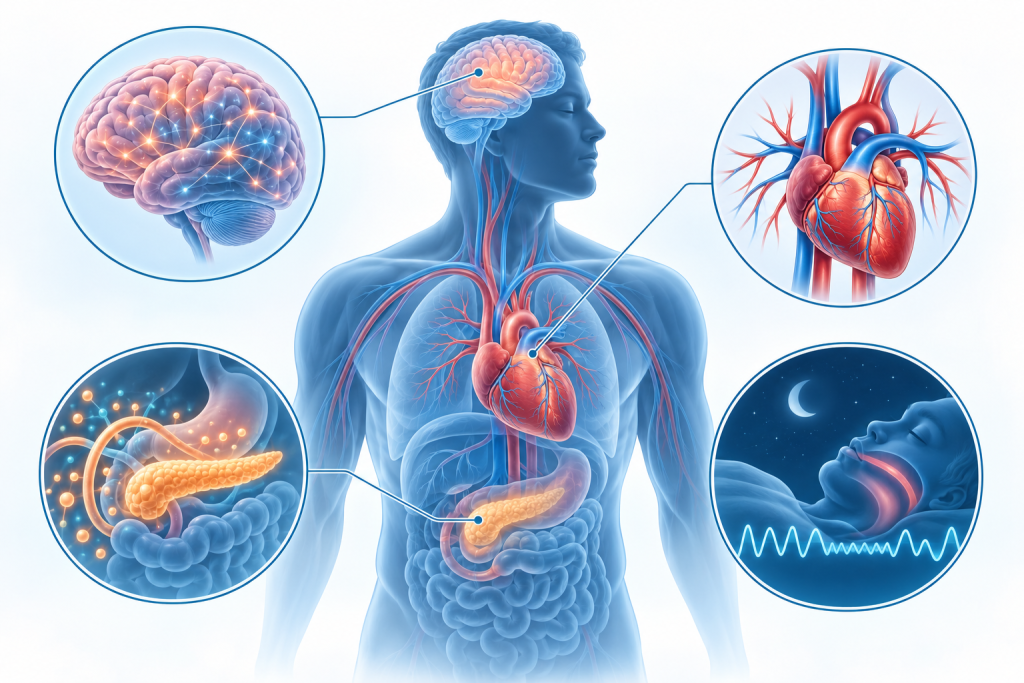
- Heart and circulation: The American Heart Association links obstructive sleep apnea with hypertension, atrial fibrillation, coronary artery disease, heart failure, stroke, and cardiovascular mortality.
- Metabolic health: Sleep-disordered breathing is associated with insulin resistance and type 2 diabetes.
- Brain and safety: Fragmented sleep may impair attention, memory, decision-making, and mood. Daytime sleepiness also increases driving and workplace risk.
These are population-level associations, not a guarantee that every person will develop a complication. Age, weight, genetics, and existing health conditions also influence risk.
What the Science Says About Untreated Sleep Apnea Life Expectancy
Long-term cohort studies have found higher all-cause and cardiovascular mortality among adults with severe obstructive sleep apnea, especially when it is not effectively treated. Research has also linked severe disease with cardiovascular death in older adults and women.
These studies describe groups, not an individual’s countdown clock. Most are observational, so they show associations without proving that sleep apnea alone caused every outcome. Results also vary by oxygen burden, treatment use, follow-up time, and patient population.
A clinician considers more than the apnea-hypopnea index, or AHI. Oxygen saturation, symptoms, cardiovascular health, sleep time, body position, and medications may all matter. Treat online lifespan calculators or blanket claims about years lost cautiously.
Symptoms That Should Prompt Testing
Common sleep apnea symptoms include loud snoring, witnessed breathing pauses, gasping, morning headaches, unrefreshing sleep, poor concentration, and daytime sleepiness. Women and older adults may instead report insomnia, fatigue, or mood changes.
Seek prompt medical care for chest pain, severe shortness of breath, fainting, signs of stroke, or dangerous sleepiness while driving. Those symptoms require urgent assessment and should not wait for routine sleep testing.
How to Diagnose Sleep Apnea
A clinical evaluation helps determine how to diagnose sleep apnea and which study is appropriate. For many adults with signs of uncomplicated obstructive sleep apnea, an at home sleep apnea test can record breathing and oxygen levels in their own bed. A clinician may recommend an in-lab study when another sleep disorder or significant heart, lung, neurologic, or neuromuscular disease could affect testing.
Understanding the Different types of sleep apnea also matters. Obstructive sleep apnea is caused by airway blockage; central sleep apnea involves reduced breathing effort from the brain; and complex or treatment-emergent sleep apnea includes features of both. Treatment depends on an accurate diagnosis.
Why Treatment Matters
Treatment aims to stabilize breathing, improve sleep and daytime function, and reduce physiologic stress. CPAP uses gentle air pressure to keep the airway open and is effective for many people. Depending on the diagnosis and anatomy, alternatives may include an oral appliance, positional therapy, weight management, surgery, or another targeted treatment.
CPAP does not guarantee that every cardiovascular event will be prevented, but it reliably reduces breathing events, improves oxygenation, and often improves sleepiness and quality of life. Confirmed sleep apnea deserves a personalized treatment plan and follow-up.
Take the Next Step
A diagnosis is not a fixed prediction about your future. Risk is clearest with more severe disease, while individual outcomes vary. Recognizing symptoms, completing appropriate testing, and following a clinician-directed plan can improve sleep, daily function, and long-term health.
If you have already been diagnosed and need PAP therapy, learn how to Get a CPAP prescription online through SleepCare Online. A licensed clinician can review your information and determine whether a prescription is appropriate.
Frequently Asked Questions
Severe sleep apnea is associated with higher all-cause and cardiovascular mortality. Individual risk depends on severity, oxygen loss, age, other conditions, and treatment; research does not support a universal number of years lost.
Yes. Sleep apnea is manageable. Complete the appropriate sleep study, follow prescribed treatment, and contact your clinician if symptoms or equipment problems continue.
Ongoing breathing interruptions can cause persistent sleepiness and stress cardiovascular and metabolic systems. The condition is associated with hypertension, arrhythmias, heart disease, stroke, diabetes, cognitive problems, and accidents.
No. The best option depends on apnea type, severity, anatomy, symptoms, and health history. Selected patients may use an oral appliance, positional therapy, weight management, surgery, or another treatment.
Talk with a healthcare professional if you snore loudly, stop breathing during sleep, wake gasping, have morning headaches, or remain unusually sleepy. Testing is especially important with high blood pressure, atrial fibrillation, heart disease, stroke, or type 2 diabetes.

Chris Vasta is the President of The CPAP Shop and a leading authority in sleep and respiratory therapy. With years of hands-on experience in the industry, Chris collaborates closely with top manufacturers and offers expert insights that help shape the design and performance of new CPAP products. He is frequently sought after to evaluate prototypes, provide professional reviews of new releases, and share his expertise to help patients and clinicians make informed decisions about sleep therapy solutions.
As the President of The CPAP Shop, Chris works hard to make sure every customer’s needs are met by stocking hundreds of the highest quality CPAP items. He understands the challenge sleep apnea brings to patients and is dedicated to improving the quality of our customer’s lives.