Millions of Americans live with sleep apnea without realizing it. Loud snoring, waking up gasping, morning headaches and persistent daytime fatigue can all be warning signs, but newer wearable technology is making it easier to spot unusual breathing patterns during sleep.
So, can Apple Watch detect sleep apnea? Compatible Apple Watch models can identify patterns of breathing disturbances that may indicate moderate to severe sleep apnea, but they cannot diagnose the condition. If you’re wondering, can my Apple Watch detect sleep apnea while I sleep, the answer depends on your model, software and eligibility for Apple’s Sleep Apnea Notifications feature.
You may also wonder how can Apple Watch detect sleep apnea without directly measuring airflow. The feature uses motion data from the watch’s accelerometer to identify subtle wrist movements associated with breathing disturbances. In other words, an Apple Watch detect sleep apnea notification can provide an important early warning, but it isn’t a substitute for a medical evaluation or diagnostic sleep study.
Understanding that difference can help you use wearable health information without placing too much confidence in a single device.
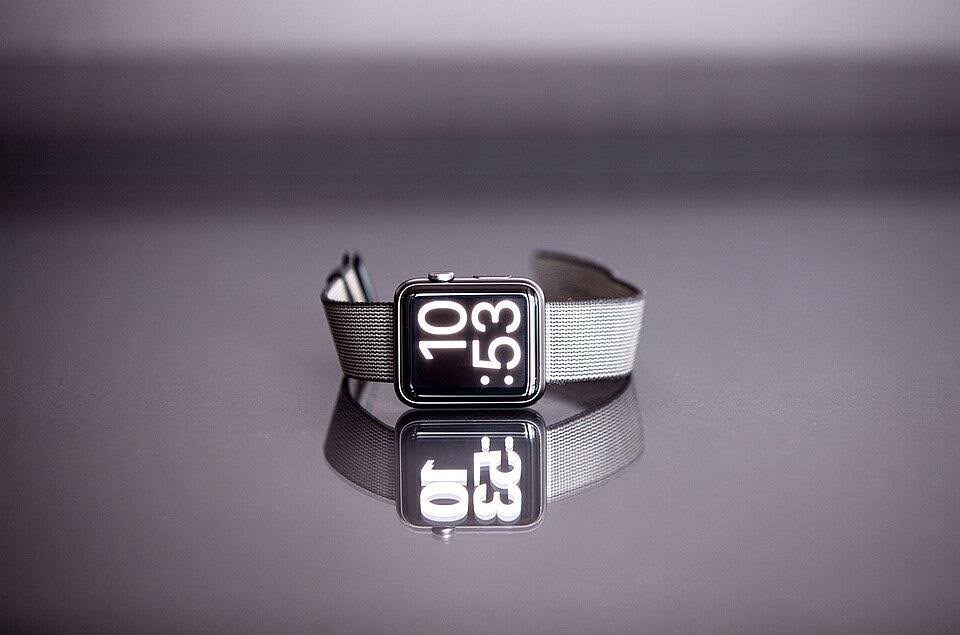
How Can Apple Watch Detect Sleep Apnea?
Apple’s Sleep Apnea Notification feature analyzes a metric called Breathing Disturbances.
Instead of directly measuring airflow through your nose and mouth, Apple Watch uses its accelerometer to detect small wrist movements associated with interruptions to normal respiratory patterns while you sleep.
Breathing disturbances aren’t automatically abnormal. People may experience some disturbances during an ordinary night, and factors such as alcohol, illness, medications and sleeping position can influence them.
The important factor is the pattern over time.
Apple Watch analyzes breathing-disturbance data over a 30-day period. If the device detects a consistent pattern that may indicate moderate to severe sleep apnea, it can send a notification recommending that you discuss the findings with a healthcare professional.
Users can also review Breathing Disturbances in the Health app, where nightly readings are classified as Elevated or Not Elevated.
What an Apple Watch Sleep Apnea Notification Actually Means
A notification means the watch has identified a pattern associated with possible moderate to severe sleep apnea. It does not mean you have been diagnosed with the condition.
The FDA cleared Apple’s Sleep Apnea Notification Feature as an over-the-counter device designed to assess sleep apnea risk. A formal diagnosis still requires evaluation by a qualified healthcare professional and, when appropriate, diagnostic sleep testing.
That’s an important distinction because there are Different types of sleep apnea, and determining the cause and severity of sleep-disordered breathing requires more information than a smartwatch can collect.
Can Apple Watch Detect Sleep Apnea as a Medical Diagnosis?
No. Apple Watch should be thought of as an early-warning or risk-identification tool, not a diagnostic sleep study.
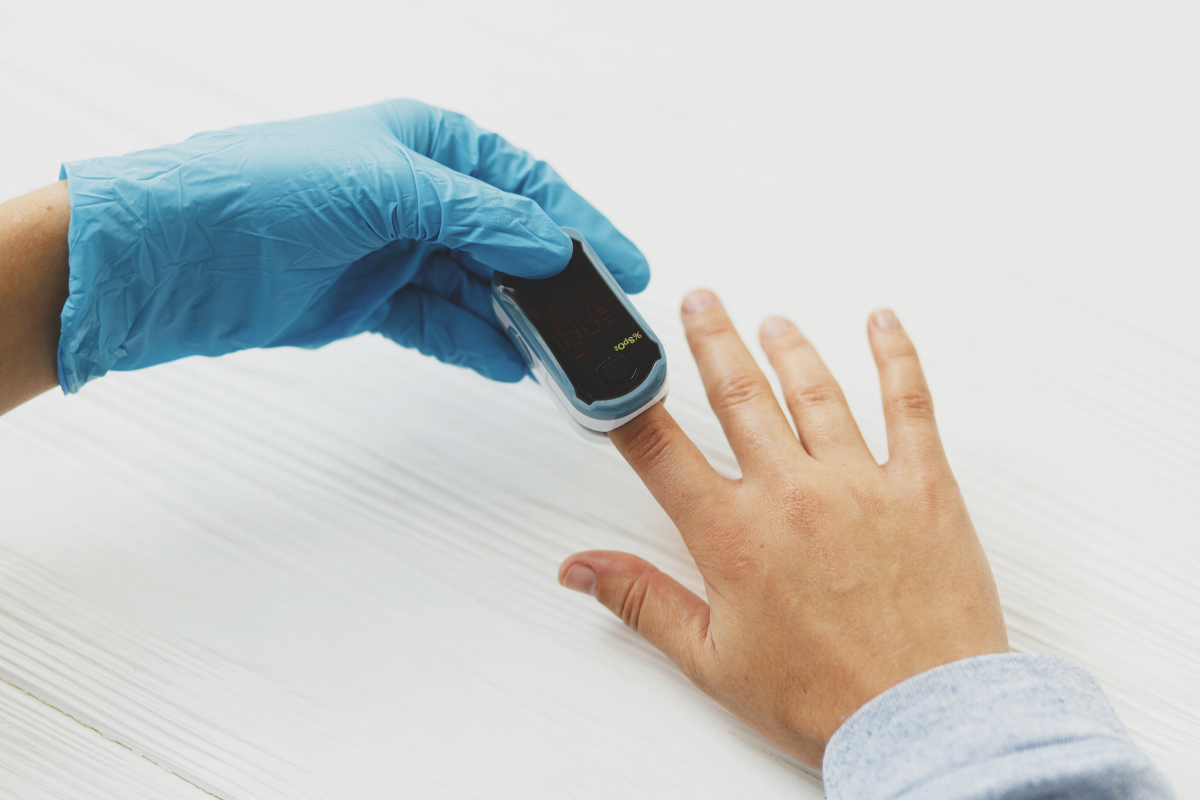
A diagnostic sleep test gathers objective information about breathing during sleep. Depending on the type of study, this may include airflow, respiratory effort, blood oxygen levels, heart rate and other measurements.
Those measurements allow clinicians to assess the frequency of apnea and hypopnea events and determine whether sleep apnea is present.
Apple Watch doesn’t provide a clinical apnea-hypopnea index (AHI), and the notification feature doesn’t determine which specific form of sleep apnea a person has.
If you’re trying to understand how to diagnose sleep apnea, the process typically begins with a medical evaluation of your symptoms, health history and risk factors, followed by an appropriate sleep study when indicated.
How Accurate Is Apple Watch for Sleep Apnea?
Apple’s notification feature has undergone clinical validation, but its performance numbers need to be interpreted carefully.
In testing reviewed by the FDA, the Sleep Apnea Notification Feature had 66.3% sensitivity for moderate-to-severe sleep apnea and 98.5% specificity among people with normal-to-mild sleep apnea.
What does that mean in practical terms?
The high specificity shows that the system was designed to limit false notifications. However, the lower sensitivity means the feature will not identify every person who has moderate-to-severe sleep apnea.
No Apple Watch Notification Doesn't Rule Out Sleep Apnea
If your Apple Watch doesn’t send you a notification, you should not assume that you definitely don’t have sleep apnea.
Talk with a healthcare professional if you regularly experience symptoms such as:
- Loud, persistent snoring
- Witnessed pauses in breathing
- Waking up gasping or choking
- Excessive daytime sleepiness
- Morning headaches
- Dry mouth after waking
- Difficulty concentrating
- Unrefreshing sleep
Your symptoms and medical history remain important even when wearable technology doesn’t detect a problem.
What Should You Do After an Apple Watch Sleep Apnea Notification?
Receiving a notification doesn’t mean you should panic—or immediately assume you’ll need CPAP.
Instead, treat the alert as useful information that can help start a conversation with a healthcare professional.
1. Review Your Apple Health Data
Apple allows users to review their Breathing Disturbances history and generate a report that can be shared with a healthcare provider. Looking at trends over time is more useful than focusing on one unusual night.
2. Pay Attention to Your Symptoms
Consider whether the notification occurs alongside common signs of obstructive sleep apnea. For example, do you snore loudly? Has a partner noticed pauses in your breathing? Do you wake up gasping? Are you tired despite spending enough time in bed? Make a note of these symptoms so you can discuss them during your evaluation.
3. Don't Treat the Watch Notification as a Diagnosis
This is particularly important. A wearable notification should prompt appropriate follow-up, not self-diagnosis or self-treatment. Sleep-disordered breathing can have different causes, and treatment should be based on an appropriate clinical evaluation.
4. Consider Supportive Lifestyle Measures
Healthy sleep habits can complement medical care. Maintaining a regular sleep schedule, limiting alcohol close to bedtime and addressing factors that may interfere with breathing can support better sleep. Some people may also benefit from targeted exercises for sleep apnea as part of an overall treatment strategy.
These measures shouldn’t replace recommended diagnostic testing or treatment.
When Is an At Home Sleep Test Appropriate?
If your Apple Watch identifies repeated breathing disturbances—or you have symptoms that strongly suggest obstructive sleep apnea—the next step may be a formal sleep evaluation.
For some adults, an at home sleep test provides a convenient way to collect objective information about breathing while sleeping in their own bed.
A home sleep apnea test uses specialized sensors that may measure airflow, respiratory effort, blood oxygen levels and related information. A qualified medical professional then reviews the results to determine whether obstructive sleep apnea is present.
Home testing isn’t appropriate for everyone. The American Academy of Sleep Medicine recommends HSAT as a diagnostic option for appropriate, uncomplicated adults whose symptoms and medical history indicate an increased risk of moderate-to-severe obstructive sleep apnea.
Some patients may need an in-lab polysomnography study instead, particularly when other medical conditions or sleep disorders complicate the picture.
That’s why the question isn’t simply whether your watch detected something. The more important question is which diagnostic test is appropriate for you.
What Happens If Sleep Apnea Is Confirmed?
If testing confirms obstructive sleep apnea, treatment depends on the severity of the condition, your symptoms and other individual health factors.
Treatment options can include positive airway pressure therapy, oral appliances, lifestyle modifications and other approaches.
Continuous positive airway pressure, or CPAP, is a common treatment for obstructive sleep apnea. The machine delivers pressurized air through a mask to help prevent the upper airway from repeatedly narrowing or closing during sleep.
A sleep apnea diagnosis doesn’t automatically mean everyone needs CPAP. A qualified clinician should determine which treatment is appropriate.
If CPAP is recommended after evaluation and testing, telehealth may make it possible to Get a CPAP prescription online when clinically appropriate.
Can Apple Watch Detect Sleep Apnea? The Bottom Line
So, can Apple Watch detect sleep apnea? It can identify breathing-disturbance patterns associated with a higher risk of moderate to severe sleep apnea, making it a useful early-warning tool. But an Apple Watch detect sleep apnea alert isn’t a medical diagnosis, and the absence of an alert doesn’t prove that your breathing is normal.
If your watch identifies repeated breathing disturbances—or symptoms such as loud snoring, gasping, choking and daytime sleepiness are affecting your life—the next step is an appropriate medical evaluation.
Sleepcare Online can help eligible patients complete an at home sleep test without spending the night in a sleep laboratory. If testing confirms obstructive sleep apnea and CPAP is recommended, you can also learn how to Get a CPAP prescription online and take the next step toward treatment and more restorative sleep.
Frequently Asked Questions
Can Apple Watch Detect Mild Sleep Apnea?
The Sleep Apnea Notification feature is designed to identify patterns associated with moderate to severe sleep apnea, not to diagnose every level of the condition. That means a person with mild sleep apnea may not receive a notification. If you have persistent symptoms, seek medical advice even if your watch hasn’t alerted you.
Does Apple Watch Measure Oxygen to Detect Sleep Apnea?
The Sleep Apnea Notification feature primarily relies on the watch’s accelerometer to analyze wrist movements associated with breathing disturbances. It isn’t simply looking for drops in blood oxygen to determine whether someone has sleep apnea.
Can I Use Apple Watch to Monitor My Existing Sleep Apnea?
Apple’s Sleep Apnea Notification feature is intended to identify potential signs in adults who have not already been diagnosed with sleep apnea. It isn’t designed to monitor CPAP effectiveness or replace follow-up care for an existing diagnosis. If you’re already being treated for sleep apnea and symptoms return, speak with your sleep care provider rather than relying on wearable data alone.
What Apple Watch Models Support Sleep Apnea Notifications?
Availability depends on compatible Apple Watch hardware, watchOS version, region and other eligibility requirements. Because supported devices and software can change, users should check Apple’s current Sleep Apnea Notifications documentation for their specific watch.
Is an Apple Watch Notification Enough to Get a CPAP Machine?
No. A smartwatch notification is not a sleep apnea diagnosis or CPAP prescription. If the notification or your symptoms suggest sleep apnea, the appropriate next step is a clinical evaluation. If diagnostic testing confirms obstructive sleep apnea and CPAP is recommended, a licensed medical provider can issue the required prescription.
Should I Get Tested Even If My Apple Watch Doesn’t Alert Me?
Possibly. A lack of notification does not rule out sleep apnea. If you experience loud snoring, witnessed breathing pauses, gasping or choking during sleep, persistent daytime sleepiness or other concerning symptoms, talk with a healthcare professional about whether diagnostic testing is appropriate.

Chris Vasta is the President of The CPAP Shop and a leading authority in sleep and respiratory therapy. With years of hands-on experience in the industry, Chris collaborates closely with top manufacturers and offers expert insights that help shape the design and performance of new CPAP products. He is frequently sought after to evaluate prototypes, provide professional reviews of new releases, and share his expertise to help patients and clinicians make informed decisions about sleep therapy solutions.
As the President of The CPAP Shop, Chris works hard to make sure every customer’s needs are met by stocking hundreds of the highest quality CPAP items. He understands the challenge sleep apnea brings to patients and is dedicated to improving the quality of our customer’s lives.