If you struggle with chronic daytime fatigue, loud snoring, or morning headaches, your doctor may recommend a diagnostic evaluation to pinpoint the root cause. For many patients, understanding what happens during a sleep study can relieve anxiety and help them better prepare for the evaluation process. Navigating overnight testing can feel overwhelming, especially when you are unsure what to expect during a sleep study or find yourself asking: what if i cant sleep during a sleep study?
Whether you undergo an in-lab polysomnogram or opt for a convenient alternative, knowing exactly what happens in a sleep study is the first step toward reclaiming your health. For individuals evaluating their testing options, learning what happens during a sleep study frequently highlights why a home sleep apnea test may be the most comfortable, stress-free, and effective choice available today.
What to Expect During a Sleep Study: In-Lab Polysomnography
An in-lab sleep evaluation—scientifically known as a polysomnogram (PSG)—is a comprehensive, overnight test conducted at a dedicated clinical sleep center. The primary objective is to continuously record your physiological data while you rest, allowing board-certified sleep physicians to identify or rule out various neurological and respiratory conditions.
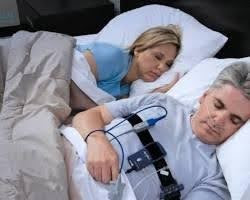
The Setup and Monitoring Process
When you arrive at the clinic in the evening, a specialized sleep technologist will guide you to a private, hotel-like bedroom. Before you go to bed, the technician will attach a series of non-invasive surface sensors to your body:
- Electroencephalogram (EEG) Sensors: Placed on your scalp to track brain wave activity, which helps map your distinct biological sleep cycles (Choudhary & Choudhary, 2009).
- Electrooculogram (EOG) Sensors: Attached near your temples to record eye movements, which are crucial for identifying rapid eye movement (REM) sleep.
- Electromyogram (EMG) Sensors: Fixed to your chin and legs to track muscle tone and detect periodic limb movement disorders.
- Respiratory Belts and Cannulas: Placed around your chest and abdomen to monitor breathing patterns, chest effort, and airflow.
- Pulse Oximeter: Clipped to your finger to track heart rate and blood oxygen levels continuously.
Throughout the night, the technologist sits in a separate control room, monitoring the live data stream and video feed to ensure all sensors remain secure and functional.
What If I Can’t Sleep During a Sleep Study?
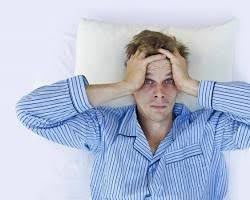
One of the most pervasive concerns among patients facing a clinical evaluation is the fear of insomnia. It is entirely natural to wonder: what if i cant sleep during a sleep study while covered in wires and being watched by a technician? “
First, sleep specialists do not expect you to get a perfect night of perfect rest. Clinical environments account for the “first-night effect,” a documented phenomenon where a patient’s sleep architecture is slightly altered due to an unfamiliar environment.
To formulate an accurate diagnosis, a clinical PSG typically requires only a few hours of total sleep time, rather than a full eight-hour block (Shrivastava et al., 2014). Technicians evaluate your sleep efficiency—the percentage of time spent sleeping versus time spent in bed—and use specialized algorithms to capture data even during fragmented sleep windows.
However, if your anxiety surrounding an in-lab test is severe, it can exacerbate your baseline sleep issues, making a compelling case for a home-based testing alternative.
Why an At-Home Sleep Test Might Be Your Best Option
For many individuals suspected of having obstructive sleep apnea (OSA), a traditional, overnight stay in a hospital or clinic is no longer necessary. Advances in portable medical technology have made home testing a highly reliable, accessible, and preferred standard.
-
Superior Comfort and Authenticity
The most significant benefit of an at-home evaluation is the ability to sleep in your own bed, adhering to your natural nighttime routine. Without the clinical pressure of a lab or dozens of trailing wires, your sleep patterns are much more reflective of your true, everyday rest. This drastically reduces the likelihood of experiencing the anxiety associated with the question of what if i cant sleep during a sleep study.
-
Streamlined and Discrete Equipment
Unlike an in-lab polysomnogram, a home diagnostic kit utilizes highly simplified, compact equipment. Modern Level III and Level IV portable monitoring devices typically consist of just three lightweight components:
- A small wrist-worn device or a single chest sensor.
- A simplified finger pulse oximeter.
- A thin nasal cannula to monitor airflow.
This minimalist setup allows you to turn, shift positions, and sleep naturally without waking up tangled in wires.
-
Clear Identification of Vital Metrics
Despite its compact size, a home test precisely captures the critical metrics needed to evaluate respiratory sleep disorders. It accurately measures your oxygen desaturation index (ODI) and calculates your Apnea-Hypopnea Index (AHI)—the average number of times your breathing pauses per hour. These metrics are the clinical gold standard for diagnosing various types of sleep apnea.
Frequently Asked Questions
How many hours of sleep are needed for a sleep study?
In a clinical lab setting, doctors generally prefer to capture at least 2 to 6 hours of recorded data to accurately evaluate sleep stages and respiratory events. For home testing, keeping the device activated throughout your normal sleep duration is typically sufficient to compile a valid diagnostic report.
Can you roll over during an overnight sleep test?
Yes. Whether you are in a lab or at home, you are permitted to change positions. In fact, sleeping in different positions (such as on your back versus your side) provides crucial data, as positional sleep apnea can heavily influence the frequency and severity of breathing disruptions.
What happens if the sleep study confirms sleep apnea?
Once your data is analyzed by a board-certified sleep physician, a formal diagnosis will be issued. If you are diagnosed with moderate-to-severe sleep apnea, your physician will outline a personalized treatment plan. This often includes a recommendation for continuous positive airway pressure (CPAP) therapy, allowing you to secure a valid CPAP prescription to jumpstart your treatment.
Conclusion
Understanding what happens in a sleep study is an essential step toward addressing persistent daytime exhaustion and protecting your long-term cardiovascular health. While an in-lab polysomnogram remains highly effective for complex neurological conditions, a home-based evaluation offers a seamless, non-invasive, and stress-free pathway for identifying obstructive sleep apnea. By prioritizing your comfort, a home test eliminates the common anxiety of what if i cant sleep during a sleep study, ensuring you capture authentic, highly accurate data right from the comfort of your own bed.
If you are ready to stop suffering from disruptive snoring, morning headaches, and chronic fatigue, take control of your health today. Order your convenient, physician-approved home sleep apnea test from SleepCare Online, and begin your journey toward restorative, healthy sleep.
References
- Choudhary, S. S., & Choudhary, S. R. (2009). Sleep effects on breathing and respiratory diseases. Lung India, 26(4), 117–122. https://doi.org/10.4103/0970-2113.56345
- Cited by: 60
- Shrivastava, D., Jung, S., Saadat, M., Sirohi, R., & Crewson, K. (2014). How to interpret the results of a sleep study. Journal of Community Hospital Internal Medicine Perspectives, 4(5), 24983. https://doi.org/10.3402/jchimp.v4.24983
- Cited by: 524
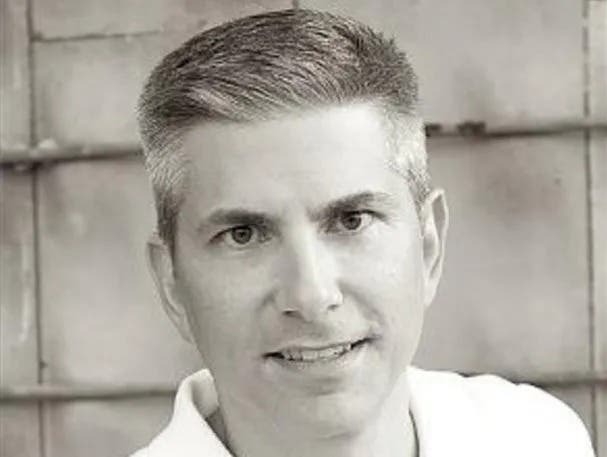
Chris Vasta is the President of The CPAP Shop and a leading authority in sleep and respiratory therapy. With years of hands-on experience in the industry, Chris collaborates closely with top manufacturers and offers expert insights that help shape the design and performance of new CPAP products. He is frequently sought after to evaluate prototypes, provide professional reviews of new releases, and share his expertise to help patients and clinicians make informed decisions about sleep therapy solutions.
As the President of The CPAP Shop, Chris works hard to make sure every customer’s needs are met by stocking hundreds of the highest quality CPAP items. He understands the challenge sleep apnea brings to patients and is dedicated to improving the quality of our customer’s lives.