This article provides educational information about sleep apnea pillows and should not replace professional medical advice. Always consult with qualified healthcare providers for proper diagnosis and treatment of sleep disorders.
Key Takeaways:
- Airway Alignment: Proper head, neck, and torso positioning can reduce sleep apnea events by 15% to 30% in positional patients.
- Therapy Support: Specialized pillows minimize CPAP mask pressure, helping to eliminate frequent air leaks and facial bruising.
- Supplemental Value: A pillow is a comfort companion, not a standalone cure; a proper diagnosis via a home sleep apnea test remains critical.
Millions of people face breathing disruptions and discomfort every night due to sleep disorders. While choosing the right sleep apnea pillow cannot cure the condition on its own, it plays a vital role in supporting proper sleep posture, reducing snoring, and significantly increasing CPAP therapy comfort.
Pillows for Sleep Apnea
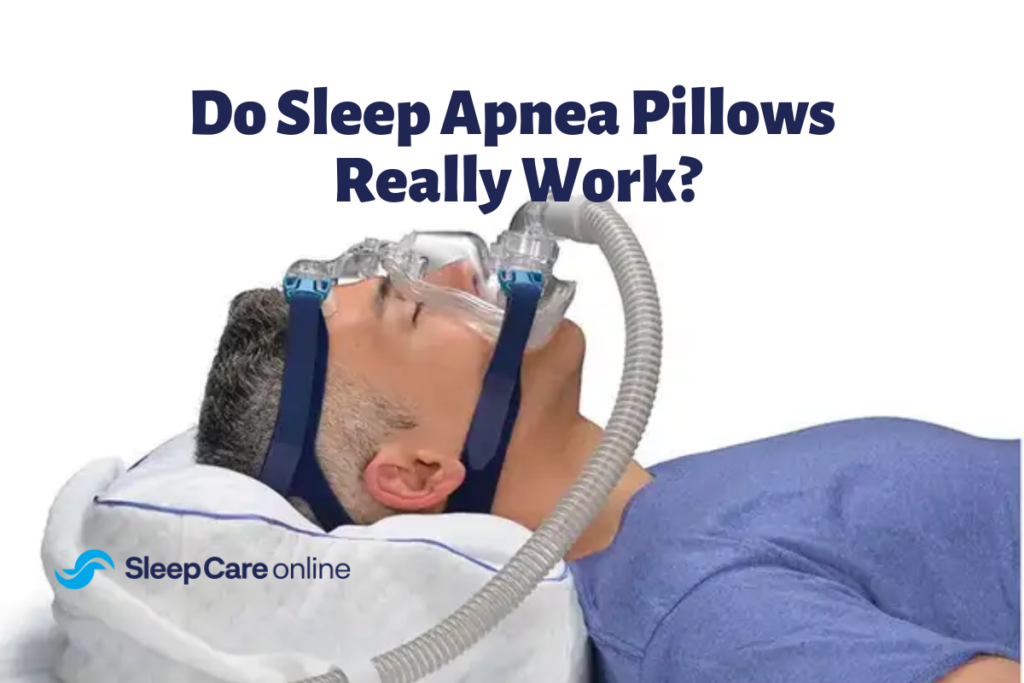
Obstructive sleep apnea can often be made worse depending on the patient’s sleeping position. Typically, this means that sleeping on your side or stomach will help reduce apnea events. If you are a back sleeper, wedge pillows may help elevate the head enough to reduce sleep apnea symptoms. Memory foam pillows are also popular choices, while some pillows are designed specifically for use with a CPAP mask. Knowing all your options will help you select the appropriate pillow for you.
Do Sleep Apnea Pillows Really Work?
Yes, specialized sleep apnea pillows can be highly effective supplemental tools for managing positional symptoms and improving treatment compliance. Clinical studies show that correcting head and neck posture can reduce apnea events by up to 30% for individuals whose airway obstruction is worsened by sleeping flat on their back.
According to research highlighted by the American Sleep Association, proper orthopedic alignment prevents the tongue and soft palate tissues from collapsing backward into the throat. By maintaining an open airway pathway or accommodating therapy equipment, these pillows convert fragmented nights into restful sleep cycles.
Primary Benefits of Specialized Pillows:
- Maintains strict cervical alignment to keep upper airways physically open.
- Integrates designated pressure-free cutouts to eliminate CPAP mask shifting.
- Eases the transition from disruptive back sleeping to therapeutic side sleeping.
- Elevates the chest and torso to reduce gravity-induced soft tissue collapse.
Important Note: A sleep apnea pillow should never replace professional medical treatment. Always consult with your sleep specialist before making changes to your sleep apnea management plan. In addition to pillows, incorporating sleep apnea exercises can help strengthen airway muscles and reduce apnea episodes over time.
What to Look For in a Sleep Apnea Pillow
While the proper pillow will not be able to treat sleep apnea alone, it can potentially lessen the amount of apnea you have at night. It can also make sleeping with your CPAP equipment more comfortable to improve your overall sleep quality. When selecting a pillow, consider the following:
The Pillow Material: This decision is based on what a user values most. Pillows vary in material including:
- Latex that are hypoallergenic, ideal for those who have allergies
- Memory foam, ideal for those who want their maintain the proper shape
- Wool and cotton, ensuring a stable body temperature at night
- Silk, promoting clean skin and is believed to reduce facial wrinkles
Your Sleeping Position: The way you choose to sleep can affect your sleep apnea. It is widely recommended to sleep on your side or back if you have sleep apnea, rather than your back. However, if you are used to sleeping on your back, making the change to a different position can be challenging. That’s why there are pillows specifically designed for this problem to make the transition easier.
- Side sleepers should use a contoured pillow to support their shoulders and neck.
- Stomach sleepers should use a pillow with not a lot of height so the head and neck aren’t too propped up.
- If you are a back sleeper and cannot break their habit, a wedge pillow may be best to elevate your neck while you are asleep.
The Pillow Height: The height, often referred to as the loft of your pillow, impacts the angle of both your head and neck which also impacts how you sleep and breathe at night. Low-lofted pillows are better for stomach sleepers, and back and side sleepers should have a pillow with a medium loft.
What is the Best Pillow for Sleep Apnea?
There is no one-size-fits-all solution for sleep apnea relief. The ideal choice depends on your primary sleeping position, whether you use a continuous positive airway pressure (CPAP) machine, and any concurrent conditions like cervical neck pain or acid reflux.
| Pillow Type | Best For | Core Material | CPAP Compatibility | Image |
| CPAP Contoured | Active CPAP Users | Molded Memory Foam | Fully Compatible, Side cutouts prevent mask displacement and air leaks. | 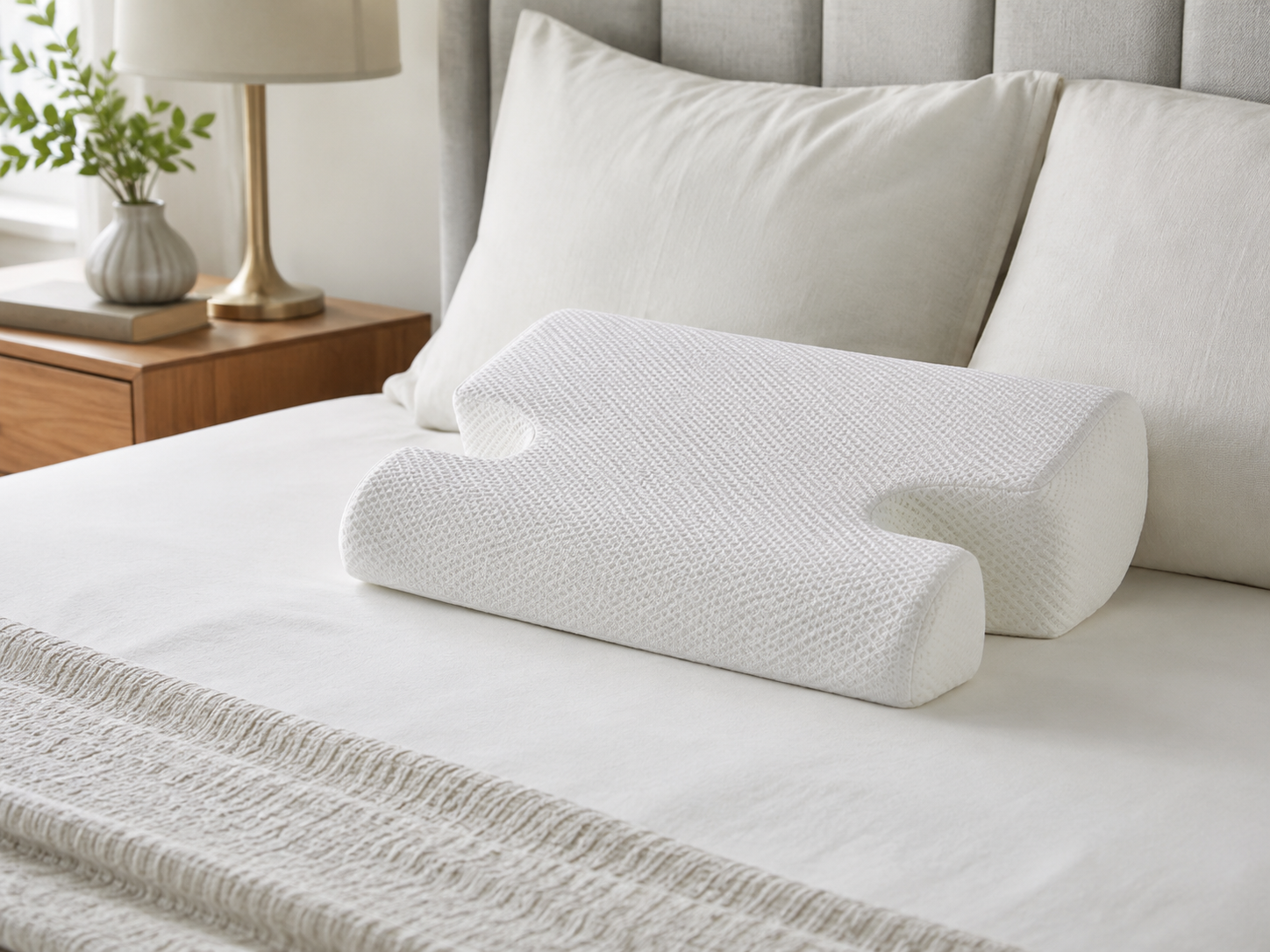 |
| Wedge Pillow | Back Sleepers & Reflux | High-Density Poly-Foam | Partially compatible,Gradual torso elevation uses gravity to keep airway open | 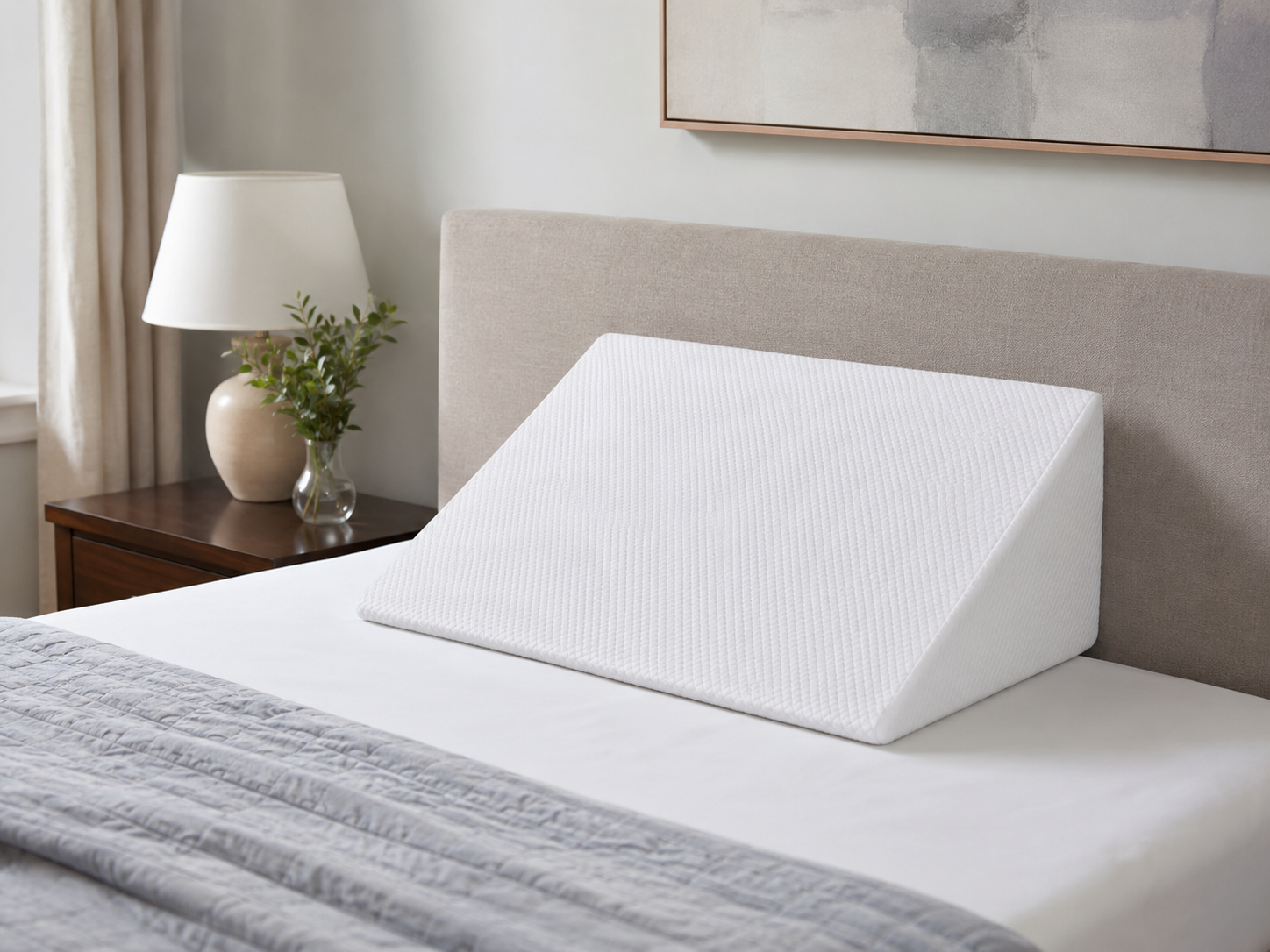 |
| Butterfly Shape | Frequent Switchers | Gel-infused Foam | Fully Compatible, Winged design accommodates nasal/full-face masks. | 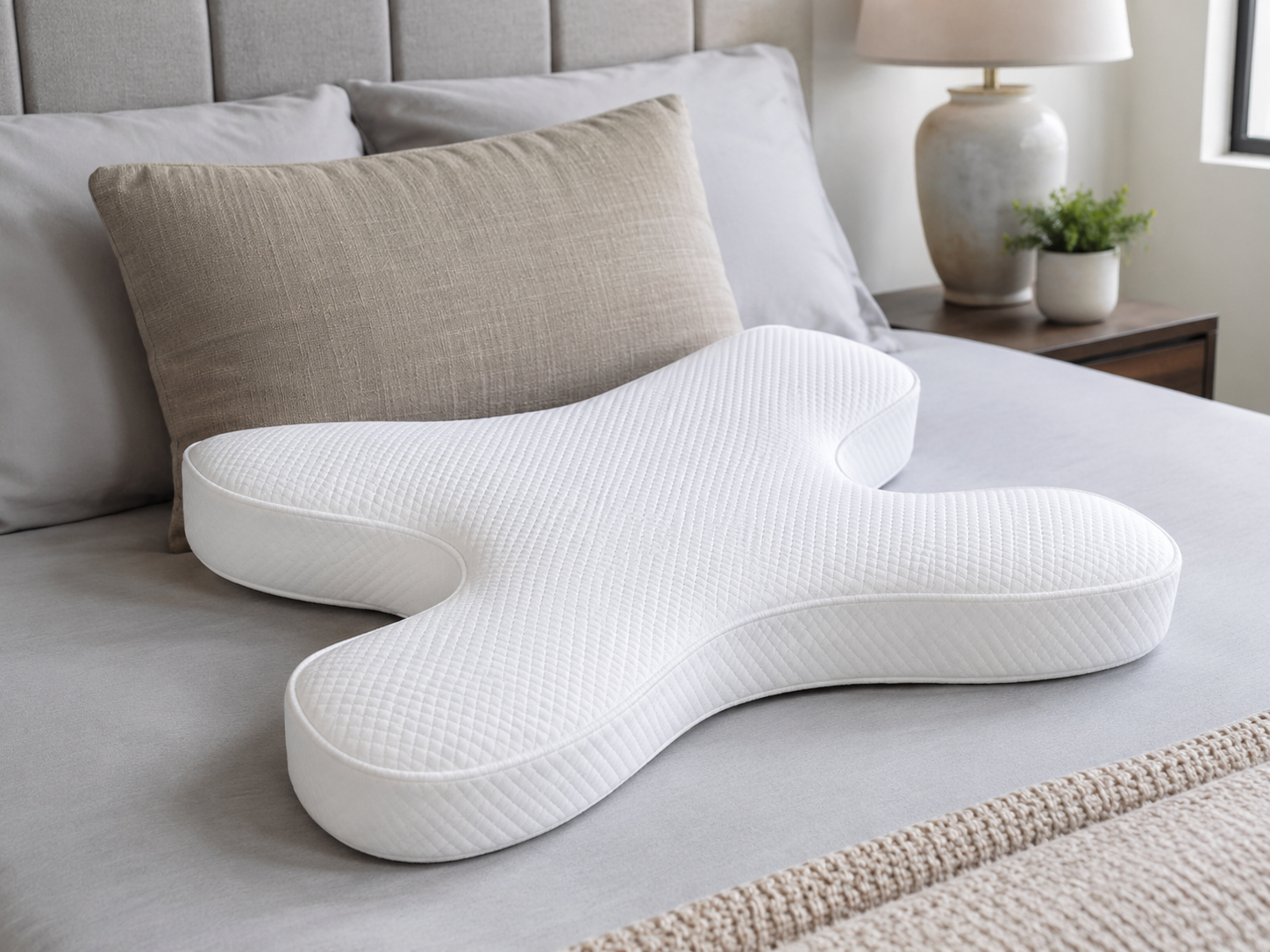 |
| Cervical Contour | Side Sleepers with Neck Pain | Ergonomic Sculpted Foam | Compatible, Cradles the natural curve of the neck to alleviate stiffness | 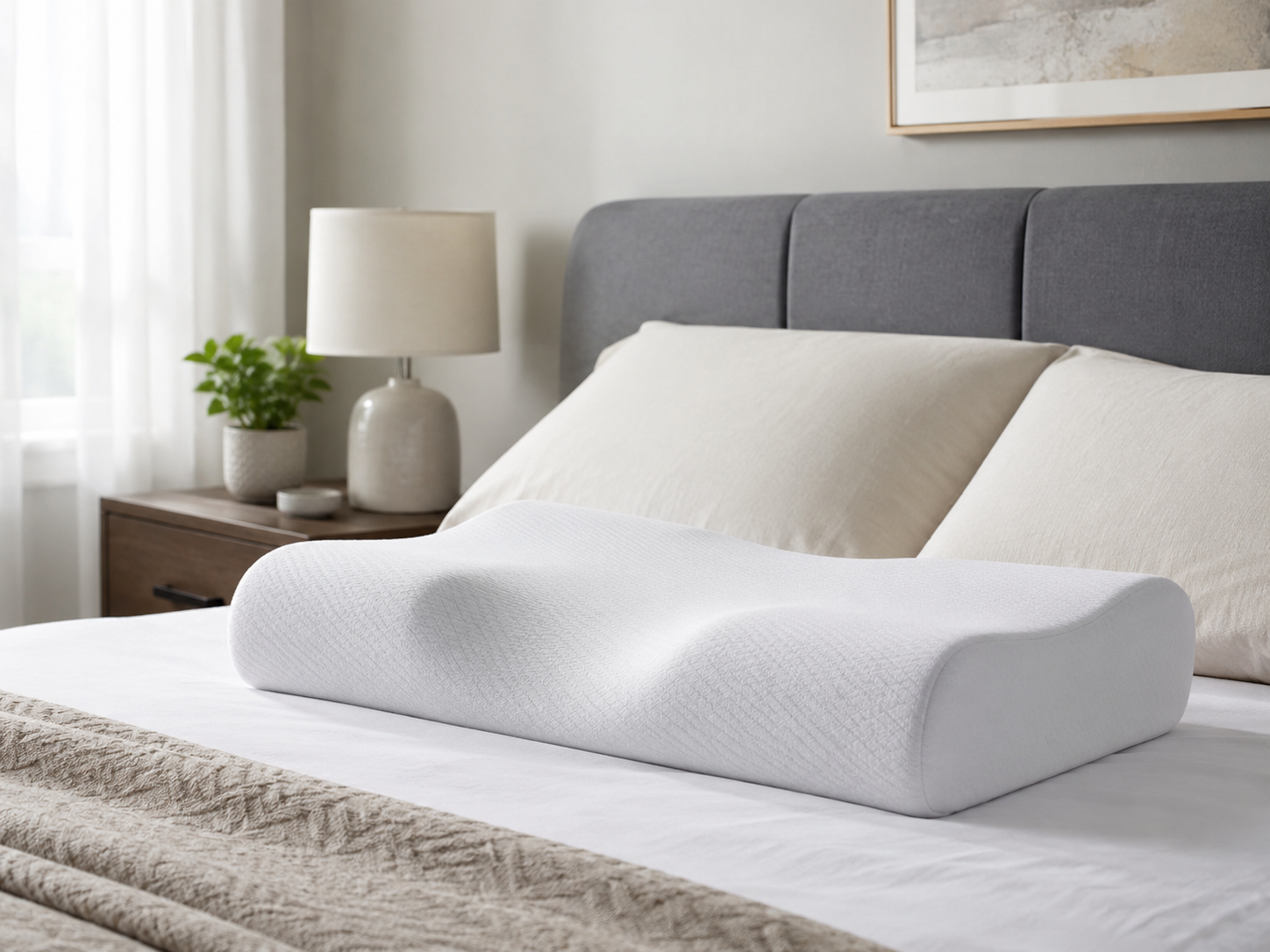 |
1. CPAP Contoured Pillows
Best For: Active CPAP therapy users seeking maximum mask stability
Features deep side cutouts that allow your mask to “hang” off the edge, preventing the pillow from shoving the mask out of place.
- Pros: Eliminates the #1 reason for CPAP non-compliance (leakage).
- Cons: Often requires a custom-fit pillowcase.
2. Wedge Pillows for Sleep Apnea
Best For: Back sleepers and those with acid reflux
Elevates the torso at a 30° to 45° angle, using gravity to keep the soft tissues of the throat from collapsing backward.
- Pros: Highly effective for reducing snoring and GERD symptoms.
- Cons: May cause some “sliding” during the night.
3. Butterfly-Shaped CPAP Pillows
Best For: CPAP users who change sleeping positions frequently
Designed for dynamic sleepers, the wing-like cutouts provide “pressure-free zones” for both nasal and full-face masks.
- Pros: Allows seamless movement between positions without mask displacement.
- Cons: The unconventional shape may take a few nights to feel natural.
4. Cervical Pillows for Sleep Apnea
Best For: Sleep apnea patients with neck pain or those seeking orthopedic support
Prioritizes the “sniffing position”—the clinical alignment that most successfully keeps the upper airway open.
- Pros: Maintains the natural C-curve of the spine; reduces morning neck stiffness.
- Cons: Generally firmer than standard pillows.
When a Pillow Is Not Enough: Managing Your AHI
While an ergonomic pillow provides vital comfort, it is crucial to recognize that obstructive sleep apnea (OSA) is a chronic medical condition. Sleep apnea severity is measured by the Apnea-Hypopnea Index (AHI)—the average number of complete pauses or partial collapses in breathing that occur per hour of sleep:
- Mild OSA: An AHI score between 5 and 15 events per hour.
- Moderate OSA: An AHI score between 15 and 30 events per hour.
- Severe OSA: An AHI score exceeding 30 events per hour.
If you regularly experience disruptive symptoms like thunderous snoring, morning headaches, waking up gasping for air, or crippling daytime fatigue, relying on a pillow choice alone can leave dangerous health risks unaddressed. Left untreated, severe sleep apnea significantly elevates your risk for chronic hypertension, type 2 diabetes, and cardiovascular complications.
Conclusion
Choosing the right sleep apnea pillow is a crucial step in managing your sleep disorder and improving overall sleep quality. The best pillow for sleep apnea depends on your individual needs, including sleep position preferences, CPAP usage, and sleep apnea severity.
Take Control of Your Sleep from Home
Don’t guess at your sleep quality. Sleep Care Online provides a streamlined, clinically validated Home Sleep Apnea Test package that lets you monitor your sleep patterns safely in your own bed.
Our comprehensive Complete Care Package includes a multi-night disposable testing device, a direct telehealth consultation with a board-certified sleep physician, and access to personalized CPAP therapy solutions if required.
If you would to learn more, contact our knowledgeable customer care team at 866-465-4478 or contact@sleepcareonline.com.
Frequently Asked Questions
Can a pillow cure my sleep apnea?
No, a pillow cannot cure sleep apnea. Obstructive sleep apnea is a structural physical airway collapse that requires targeted medical intervention, such as CPAP therapy or oral appliances. Pillows are secondary comfort tools to improve sleep positioning and support primary treatment methods.
What type of pillow is best for CPAP users?
A contoured CPAP pillow featuring deep side cutouts is a great choice. These cutouts allow the mask and hose to hang off the edge freely, stopping the pillow from compressing the mask against your skin, which prevents air leaks and facial pressure points.
Is side sleeping better for managing sleep apnea?
Yes, side sleeping is highly recommended for positional obstructive sleep apnea. It utilizes natural gravity to keep the tongue and soft palate tissues from sliding backward into the airway, reducing the frequency of nighttime breathing obstructions compared to sleeping on your back.
Can washing a sleep apnea pillow alter its effectiveness?
Yes, improper maintenance can break down the integrity of orthopedic materials. While standard fabric covers should be washed weekly, solid memory foam or latex cores should never be submerged in water or placed in a dryer; instead, spot-clean them with a damp cloth to prevent the material from sagging and losing its alignment properties.
Do specialized sleep apnea pillows lose their shape over time?
Yes, like all bedding products, performance pillows degrade under regular weight and pressure. Most high-density memory foam or contour models retain their precise orthopedic properties for roughly 18 to 24 months before requiring a replacement to ensure continuing airway alignment.

Dr. Kunal Agarwal is a highly accomplished board-certified physician specializing in Family Medicine, Sleep Medicine, and Obesity Medicine. He completed his residency at Michigan State University and a fellowship at Henry Ford Health System, and has over a decade of experience delivering exceptional patient outcomes. Dr. Argarwal is passionate about patient education and advocacy, sleep disorders, and more. His expertise in treating sleep apnea is extremely valuable to improve his patients’ lives.
Awards, Honors, & Recognition
Top Doctor
SRQ Magazine and Sarasota Magazine, 2023-2024
Fellow of American Academy of Sleep Medicine (FAASM)
American Academy of Sleep Medicine, 2021
Named “Top Doctor” for 2017, 2018 (on cover), 2019,and 2020 by Delaware Today Magazine
2017-2020