If you snore loudly, wake up tired no matter how long you stay in bed, or have been told that you stop breathing in your sleep, a sleep apnea test is worth considering. Obstructive sleep apnea (OSA) is common, and it often goes unnoticed because the worst of it happens while you are asleep.
This guide covers the signs that point toward testing, who is most at risk, the testing options, and what happens once you have results. It cannot diagnose you. Only a sleep study reviewed by a physician can do that. If you want a quick starting point, our sleep apnea risk assessment questionnaire takes a few minutes.
What Is Sleep Apnea, and Why Does Testing Matter?
The National Heart, Lung, and Blood Institute (NHLBI) describes sleep apnea as a condition in which breathing stops and restarts many times during sleep. In obstructive sleep apnea, the most common type, the upper airway becomes blocked, which reduces or stops airflow. Your brain briefly rouses you to reopen the airway. You rarely remember these awakenings, but they fragment your sleep and can lower the oxygen reaching your body.
If left untreated, sleep apnea can increase the risk of serious health complications, including stroke and heart attack. It may also affect concentration, memory, and decision-making, according to the NHLBI. Learn more about the health risks and consequences of untreated sleep apnea. If you suspect you have sleep apnea, a sleep study can help determine whether you have the condition and guide appropriate treatment.
Signs You May Need a Sleep Apnea Test
No single symptom confirms sleep apnea, but experiencing several of the following signs may indicate that you should speak with a healthcare provider about testing.
Nighttime Signs
- Loud, frequent snoring: While snoring is common, persistent loud snoring can be a warning sign of obstructive sleep apnea. However, not everyone who snores has sleep apnea.
- Breathing pauses during sleep: A partner or family member may notice that your breathing repeatedly stops and starts, sometimes followed by snorting or gasping.
- Waking up choking or gasping: Repeated episodes of waking up gasping for air may indicate disrupted breathing during sleep.
- Restless sleep: Frequent awakenings, night sweats, or needing to urinate several times during the night.
Daytime Signs
- Excessive daytime sleepiness: Feeling unusually tired despite getting enough sleep, or struggling to stay awake while reading, watching TV, or driving.
- Morning headaches: Frequent headaches upon waking, sometimes accompanied by a dry mouth or sore throat. Learn more about the connection between sleep apnea and morning headaches.
- Difficulty concentrating: Problems with memory, attention, or decision-making.
- Mood changes: Increased irritability, anxiety, or persistent low mood.
If you experience several of these symptoms, consider discussing a sleep apnea test with your healthcare provider. For additional warning signs, see our guide to the signs and symptoms of obstructive sleep apnea in adults.
Signs that are easy to miss
Sleep apnea does not always look like the classic loud-snoring stereotype. Women with sleep apnea often report fatigue, insomnia, headaches, or mood changes rather than obvious snoring, and the condition is easily mistaken for something else. Slim people can have sleep apnea as well, usually because of airway anatomy rather than weight.
Who Is Most at Risk for Sleep Apnea?
Certain factors can increase your likelihood of developing obstructive sleep apnea (OSA). However, having one or more risk factors does not necessarily mean you have the condition, and sleep apnea can also affect people without any obvious risk factors.
Common risk factors include:
- Excess body weight: Being overweight, particularly when excess fat accumulates around the neck, can increase pressure on the upper airway during sleep.
- Airway anatomy: A larger neck circumference, enlarged tonsils, or naturally narrow airway can make breathing obstructions more likely.
- Age: The risk of sleep apnea generally increases with age, particularly during middle age and later life. Learn more about sleep apnea in older adults.
- Hormonal changes: Women may face an increased risk of sleep apnea after menopause due to hormonal changes that affect breathing and upper airway function.
- Family history: Genetics and inherited anatomical characteristics may contribute to sleep apnea risk. Read more about whether sleep apnea is hereditary.
- High blood pressure: Hypertension frequently occurs alongside obstructive sleep apnea, and untreated OSA can contribute to elevated blood pressure. Explore the connection between sleep apnea and high blood pressure.
- Smoking and alcohol consumption: Smoking can irritate and inflame the upper airway, while alcohol relaxes throat muscles and may worsen breathing interruptions during sleep.
If you have several of these risk factors, especially alongside symptoms such as loud snoring or excessive daytime sleepiness, consider speaking with a healthcare provider about whether sleep apnea testing is appropriate.
When Should You Get Tested?
Certain situations make it particularly important to discuss possible sleep apnea with a healthcare professional promptly:
- Drowsiness while driving: Excessive daytime sleepiness can increase the risk of road accidents. Learn more about how sleep apnea affects driving safety. If you feel sleepy while driving, stop somewhere safe and do not resume until you can drive alertly.
- Upcoming surgery: Undiagnosed or untreated sleep apnea can increase the risk of complications related to anaesthesia and recovery. Find out why sleep apnea testing may be important before surgery.
- Pregnancy: New or worsening snoring during pregnancy, particularly when accompanied by breathing pauses or daytime fatigue, may warrant further evaluation.
- Existing cardiovascular conditions: People with heart disease, irregular heart rhythms, or difficult-to-control high blood pressure should discuss possible sleep apnea symptoms with their healthcare provider.
Although smartwatches and sleep trackers can provide useful information about sleep patterns, they cannot independently diagnose obstructive sleep apnea. A medically appropriate sleep study is needed to confirm the condition.
Sleep Apnea Test Options
There are two clinically accepted ways to test for sleep apnea. Which one suits you depends on your symptoms and your health history.
Home sleep apnea test (HSAT)
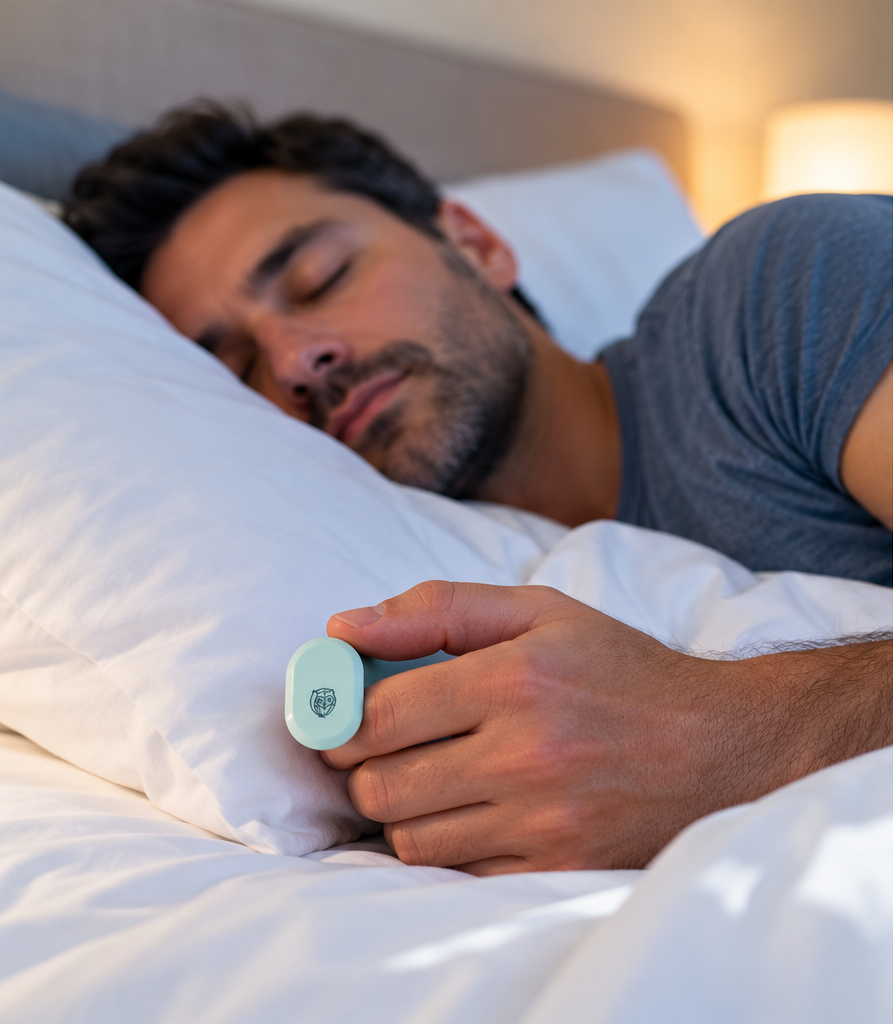
A home sleep apnea test is a compact device you wear in your own bed. Depending on the device, it records measures such as breathing effort, airflow, and blood oxygen levels. Sleeping at home is more comfortable for many people, and a multi-night home test can capture night-to-night variation.
In-lab polysomnography
Polysomnography is an overnight study at a sleep center, where technologists record brain waves, breathing, oxygen levels, heart rhythm, and body movement. The AASM guideline names it the standard diagnostic test, and recommends it over a home test for people with significant heart or lung disease, possible neuromuscular weakness, suspected hypoventilation, long-term opioid use, a history of stroke, severe insomnia, or signs of another sleep disorder.
| Home sleep apnea test | In-lab polysomnography | |
|---|---|---|
| Where | Your own bedroom | Sleep center, staffed overnight |
| Best suited to | Adults without major complicating conditions and with a high likelihood of moderate to severe OSA | People with heart or lung disease, suspected central sleep apnea, or other complicating factors |
| What it records | Breathing and oxygen signals (varies by device) | Brain activity, breathing, oxygen, heart rhythm, movement |
| Cost | Usually lower; see our home sleep study cost guide | Usually higher; coverage varies by plan |
For a fuller comparison, read at-home sleep study vs lab test.
What Happens After Your Sleep Apnea Test?
Your results are scored using the apnea-hypopnea index (AHI), the average number of breathing pauses and reductions per hour of sleep. In adults, fewer than 5 events per hour is generally considered normal, 5 to 14 mild, 15 to 29 moderate, and 30 or more severe.
If the test shows sleep apnea, treatment depends on severity and your preferences. Options include CPAP therapy, oral appliances, positional therapy, weight management, and in some cases surgery.
If a home test comes back negative or inconclusive but you still have symptoms, do not assume you are in the clear. The AASM guideline advises moving to an in-lab study rather than repeating the home test. If you are diagnosed, ask your clinician how often you should have a sleep apnea test to monitor your treatment.
How to Get Tested Through Sleep Care Online
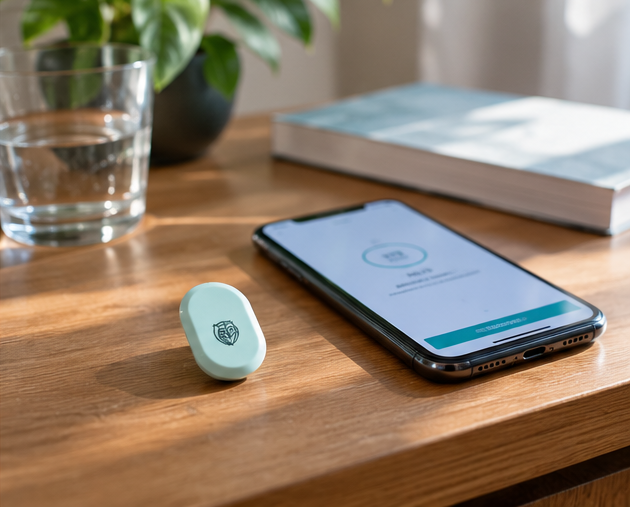
Sleep Care Online offers a Complete Care home sleep apnea test that follows five steps: a telehealth visit, a home test mailed to you, physician review of your data (with a prescription if it is appropriate), an optional follow-up visit, and a connection to specialists for therapy and equipment. You can meet the clinicians on our physicians page and before you order. If your history suggests an in-lab study would be safer or more accurate, the physician will tell you.
Frequently Asked Questions
Yes. Snoring is common in sleep apnea but not universal. Some people mainly notice unrefreshing sleep, morning headaches, waking up often, or daytime sleepiness. If those sound familiar, testing is still reasonable, even if no one has ever complained about your snoring.
For the right patients, yes. The AASM accepts a technically adequate home test for adults who are at increased risk of moderate to severe OSA and have no major complicating conditions. It is less suitable for people with significant heart or lung disease, and a single negative home test should be followed by an in-lab study if symptoms continue.
They can flag risk, but they cannot diagnose it. A questionnaire or wearable reading is a reason to talk to a clinician, not a result. Diagnosis requires a sleep study that is reviewed by a physician.
Not always. At Sleep Care Online, the process starts with a telehealth visit, so many people can be evaluated without traveling to a clinic. Your own doctor can also order a test, and either route should include physician review of your results.
Persistent tiredness has many possible causes, including insomnia, thyroid problems, depression, medication side effects, and other sleep disorders. Clinicians may check things like thyroid hormone levels when evaluating sleep problems.

Chris Vasta is the President of The CPAP Shop and a leading authority in sleep and respiratory therapy. With years of hands-on experience in the industry, Chris collaborates closely with top manufacturers and offers expert insights that help shape the design and performance of new CPAP products. He is frequently sought after to evaluate prototypes, provide professional reviews of new releases, and share his expertise to help patients and clinicians make informed decisions about sleep therapy solutions.
As the President of The CPAP Shop, Chris works hard to make sure every customer’s needs are met by stocking hundreds of the highest quality CPAP items. He understands the challenge sleep apnea brings to patients and is dedicated to improving the quality of our customer’s lives.